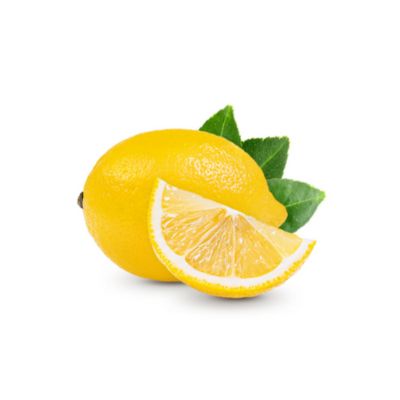
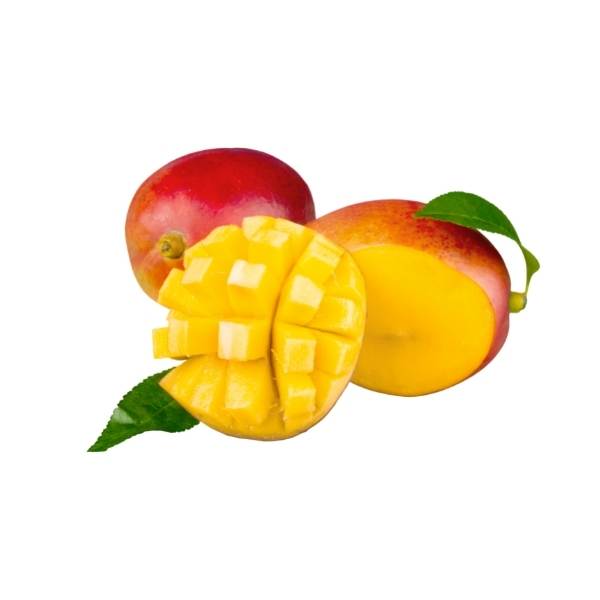
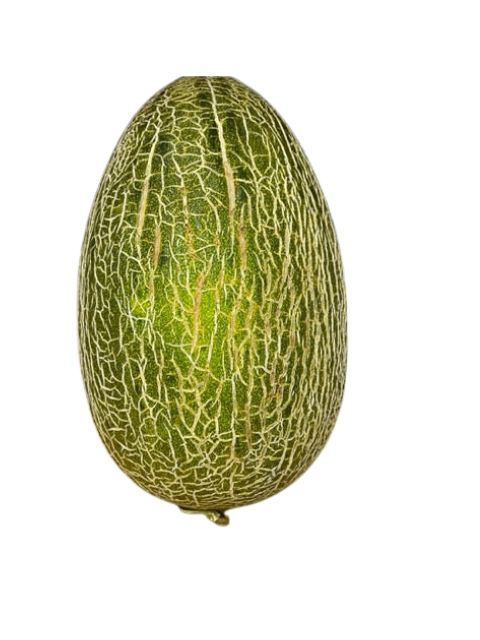
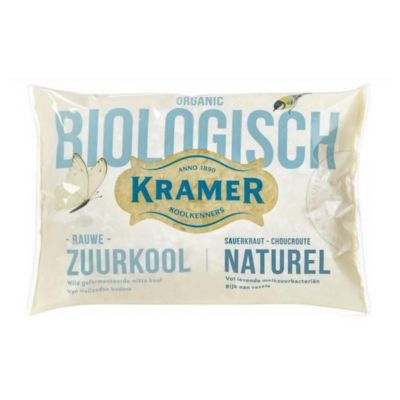
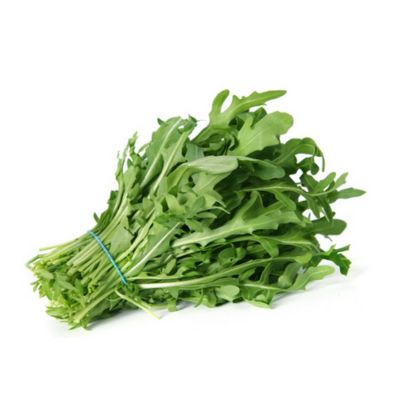
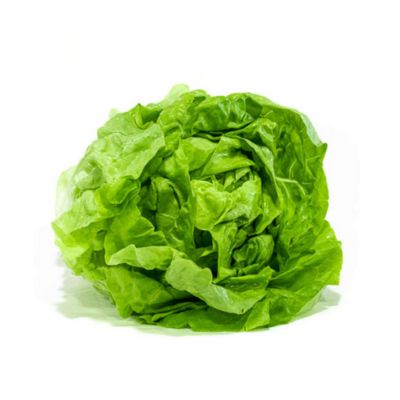
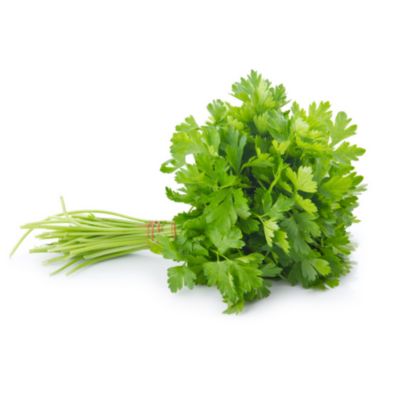

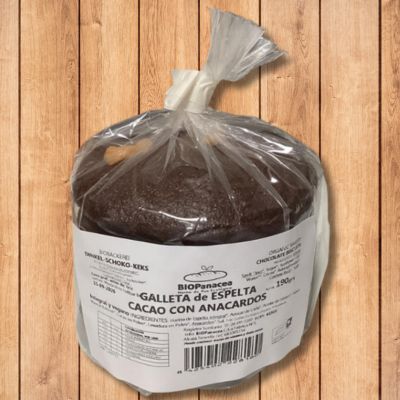











Your fresh fruit and vegetable purchase
You can make your purchases online and select free in-store pickup, or home delivery.
We deliver fresh and chilled products within the Santa Cruz and La Laguna metropolitan area and surrounding areas. All other products can be delivered anywhere in the Canary Islands within 24-48 hours.
Organic vegetables
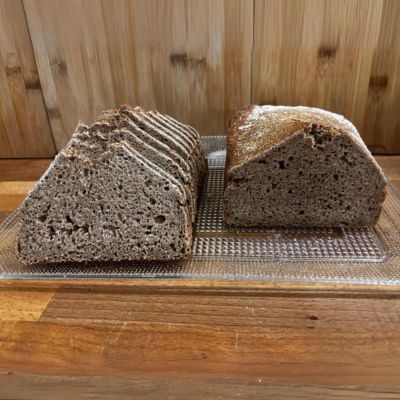
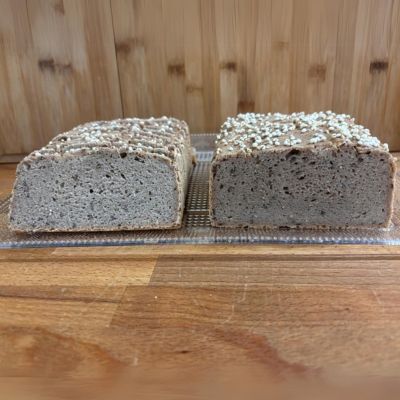
Organic bakery
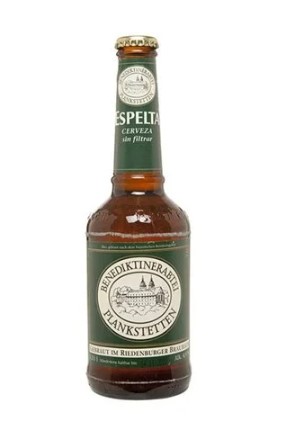
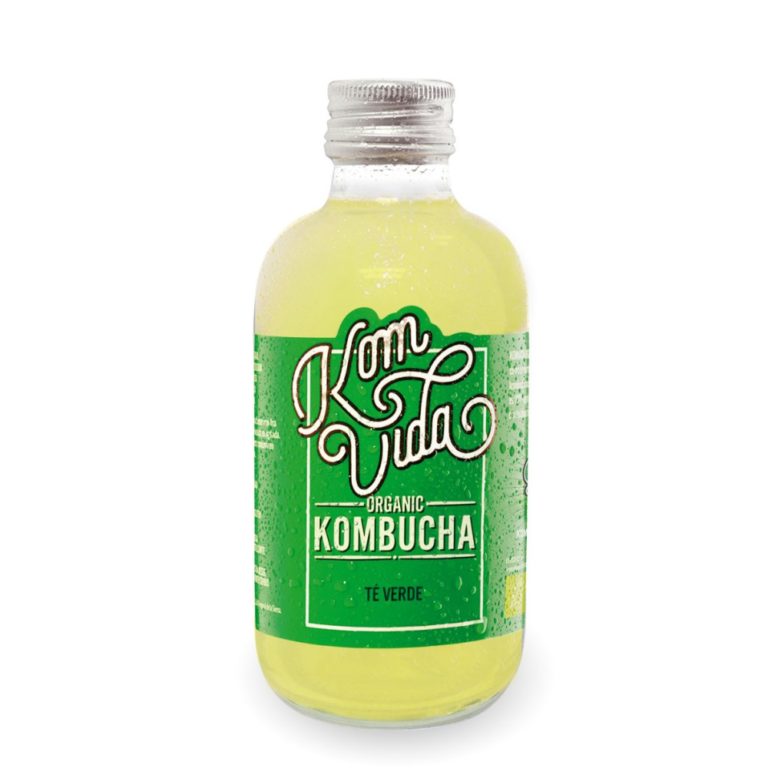
Organic drinks
Organic vegetable desserts
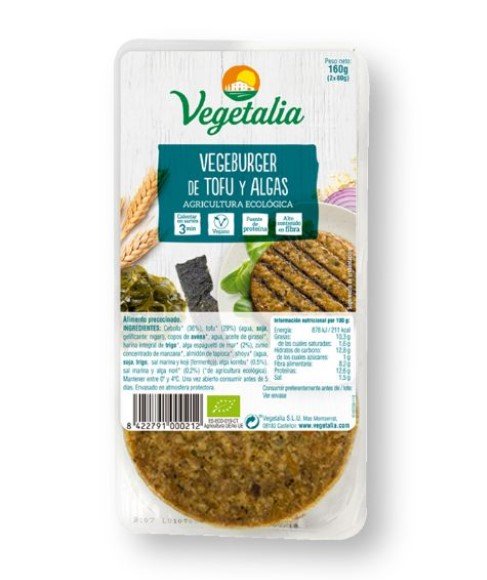
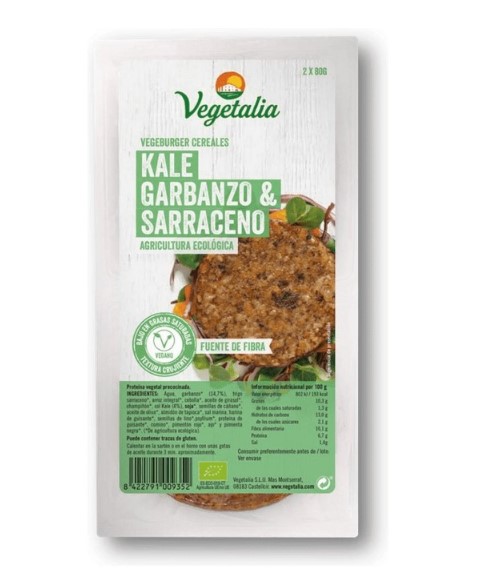
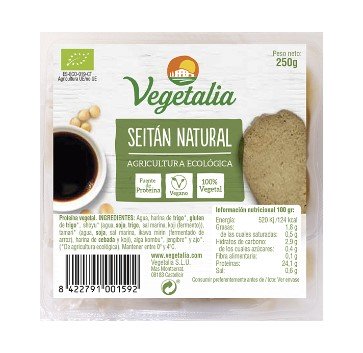
Organic plant protein
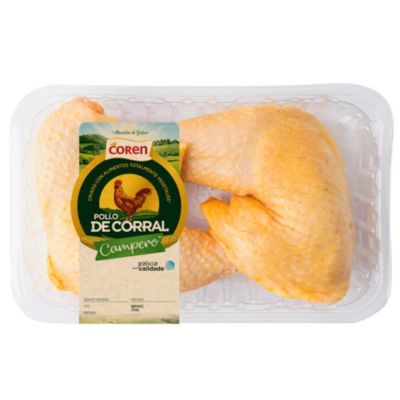
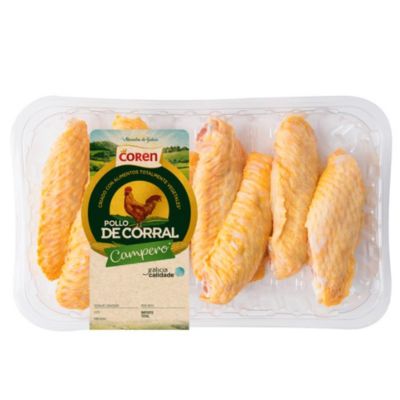
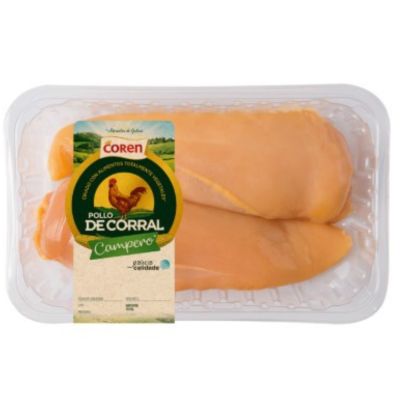
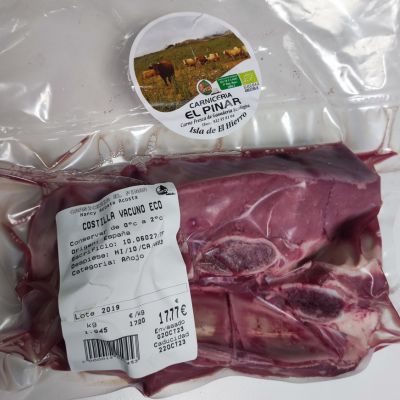
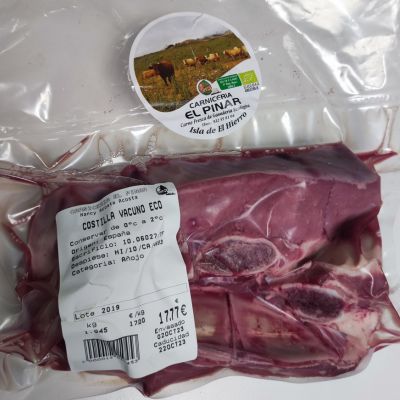
Organic meat
Your ecological and organic food store
In our online organic store, you'll find the best selection of fresh, locally produced organic and ecological foods. We are the best online organic store, with the best prices and a wide variety of organic and ecological products.
Sanus Market
Shipping of products without temperature control to any point in the Canary Islands in 24/48 hours
Over 5,000 products from over 150 brands
The widest range of natural health care products in the Canary Islands
- Feeding
- Supplementation
- Cosmetics and Hygiene
- Home and well-being
Your eco-friendly shop in Tenerife
Discover Sanus Market Organic Store
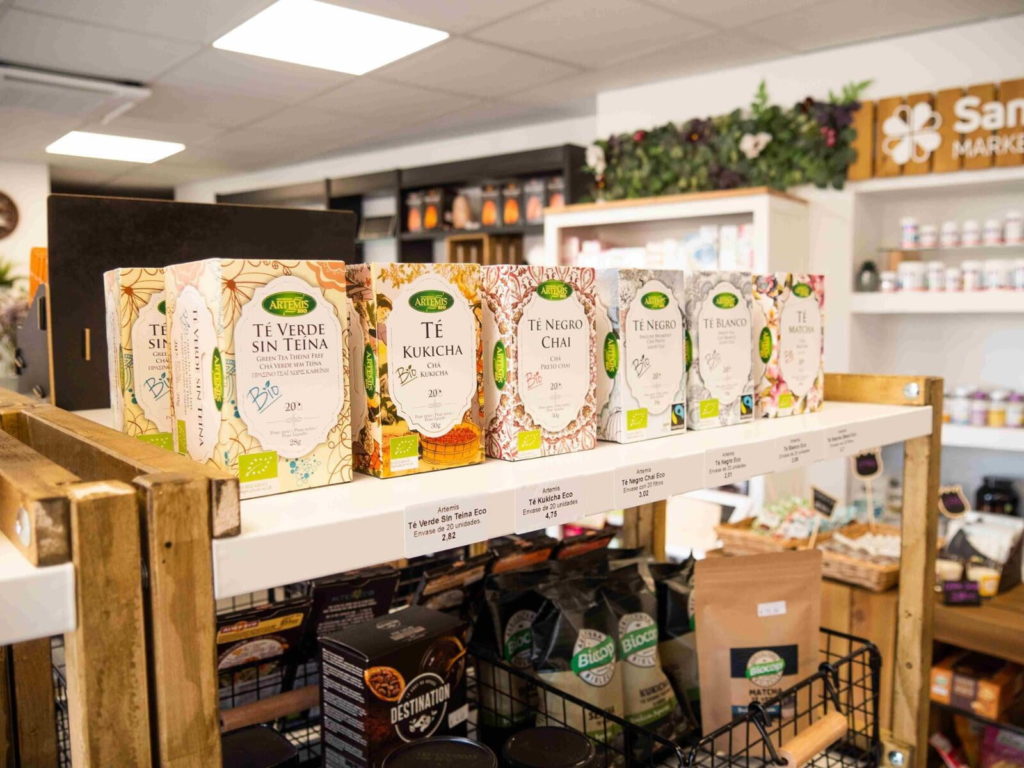
We present to you our organic store in Santa Cruz de Tenerife , showcasing our range of organic products, food, fresh locally produced fruit and vegetables, organic bread, artisan pastries, vegan products, supplements, aromatherapy, home and decoration items; in short, a whole world related to well-being and health.
Locally sourced products: All our products are locally sourced. Locally sourced products are produced and consumed in the same place, meaning they don't have to travel from where they are produced to where they are consumed. This is done to reduce greenhouse gas emissions and promote sustainability.
Sanus Market
C. de Goya, 5, Santa Cruz de Tenerife
4.7 144 reviews
-
Elettra Caudullo ★★★★★ 5 months ago
Excellent service! Prompt customer service and a wide variety of high-quality products. Shipping was fast and the package was very well prepared. Thank you !

See more reviews Write a review
We are an organic products store
In our organic food store, we have the best quality organic fruit and vegetables, wholemeal breads made with sourdough, dairy products, plant-based desserts, and a wide variety of organic products online.
The importance of ecological and sustainable consumption
Consuming locally produced, organic products helps us protect the environment and promotes sustainable consumption . We reduce water and air pollution and prevent health risks. Furthermore, it's an investment in our future, helping us to reverse the greenhouse effect and achieve greater energy efficiency.
We prioritize local farmers and producers . Most of our organic products are produced on organic farms in Tegueste, Valle de Guerra, and Tacoronte.
Organic foods are healthier, retaining all their nutritional properties. Furthermore, the organic products in our store guarantee the highest quality, ensuring maximum flavor, sustainability, and respect for animals. In our organic food store, we only sell organically produced goods from producers registered as Organic Production Operators of the Canary Islands (ROPE), or similar organizations.
If you're looking for an organic food store in Tenerife, we're located in Santa Cruz de Tenerife at Calle Goya, number 5. We are both a physical store and an online organic food shop. We offer home delivery of fresh and refrigerated products in the Santa Cruz and La Laguna metropolitan areas. You can also choose to pick up your order in store.
In our organic and eco-friendly store, we prioritize locally sourced organic products, produced within 20 km of our location. We help reduce carbon dioxide emissions and boost the local economy of Tenerife.
Organic foods and products are characterized by the absence of preservatives, colorings, pesticides, and chemical fertilizers. European regulations strictly prohibit the use of pesticides and chemical fertilizers in organic farming. Therefore, organic foods are free of toxic residues.
It's difficult to say whether buying organic food is generally advisable, as it depends on several factors, such as personal goals and budget. However, here are some things that can help you make a decision about buying organic food:
- Consider your personal priorities: If you are concerned about your health, or that of your family, or the environment, you may want to consider buying organic or bio-ecological food.
- Compare prices: Organic food can often be more expensive than conventional food. Compare prices and consider whether you are willing to pay more for organic food.
- Consider the environmental impact: Organic production methods are more sustainable and less harmful to the environment. If you are concerned about the environmental impact, you may want to consider buying organic food.
Ultimately, the decision to buy organic food depends on your own priorities and personal circumstances.
The advantages of organic foods, compared to non-organic ones, would be:
- Better taste: Organic foods have a stronger, more natural taste because they are grown without the use of chemicals.
- Fewer chemical residues: Organic foods are produced without the use of pesticides and chemical fertilizers, which means they have fewer chemical residues.
- Better for the environment: Eco-friendly production methods are more sustainable and less harmful to the environment.
- Greater genetic diversity: Organic crops are often more diverse, which means that biodiversity is promoted and monoculture is avoided.
- Supporting small local producers: By buying organic food, you often support small local producers, which can help strengthen the local economy.
There are a few things you can do to find the best organic store for you and buy organic food:
- Do some online research: search the internet for eco-friendly stores in your area and read reviews and opinions from other customers to get an idea of their natural products and services.
- Ask friends and family: if someone you know has visited an organic store, or bio store, and had a good experience, ask them for recommendations and advice.
- Visit several stores: If you have the chance, visit different eco-friendly stores and compare their eco-friendly products and prices. This will help you get a better idea of which stores offer what you're looking for.
- Consider the location: choose an eco-friendly store or eco-shop that is close to your home or work to save time and reduce your carbon footprint.
- Look for certifications: Some organic stores or supermarkets have certifications indicating they meet certain sustainability standards. Look for these certifications to ensure you're shopping at a truly eco-friendly store.
- Remember that the best eco-friendly store for you will depend on your personal needs and preferences. Keep these tips in mind and consider your own priorities when choosing an eco-friendly store.
In an eco-friendly store you can find a wide variety of eco-friendly products and items; some examples include:
- Organic food and organic produce: fruits, vegetables, grains, legumes, meats, dairy products, etc. that have been grown without the use of pesticides and chemical fertilizers.
- Eco-friendly cleaning and personal care products: soaps, shampoos, conditioners, deodorants, moisturizers, etc. made from natural and biodegradable ingredients.
- Eco-friendly household products: furniture, decorative accessories, cleaning products, stationery, etc. made from recycled or sustainable materials.
- Eco-friendly clothing and accessories: clothes and shoes made from organic cotton, wool, silk, etc., or from sustainable materials such as recycled cotton or recycled polyester. You can also find bags, backpacks, hats, etc., made from sustainable materials.
- Eco-friendly toys and baby products: wooden, fabric, paper toys, etc. made from natural materials and without toxic components, as well as reusable cloth diapers and other baby care products made from biodegradable materials.
- Organic cosmetics and beauty products: makeup, perfumes, creams, etc. made from natural ingredients and without toxic components.
- This is just a list of some examples of eco-friendly products you can find in an organic store. Organic stores usually have a wide variety of products, and their selection may vary depending on the location.
We ship from our physical store, Sanus Fresh, bringing our locally sourced organic products to every corner of Tenerife: organic vegetables, organic fruit, organic prepared foods, organic bread, pastries, plant-based desserts, plant-based protein, and a wide variety of vegan and organic products. We can assist you through our website or WhatsApp. Don't hesitate, we are your organic store.
All the organic products we offer are seasonal. This helps us reduce emissions and contribute positively to environmental protection, as our products haven't been stored in cold storage for weeks or traveled hundreds of kilometers. By choosing seasonal foods, we ensure they are local, not imported, thus supporting the local economy.
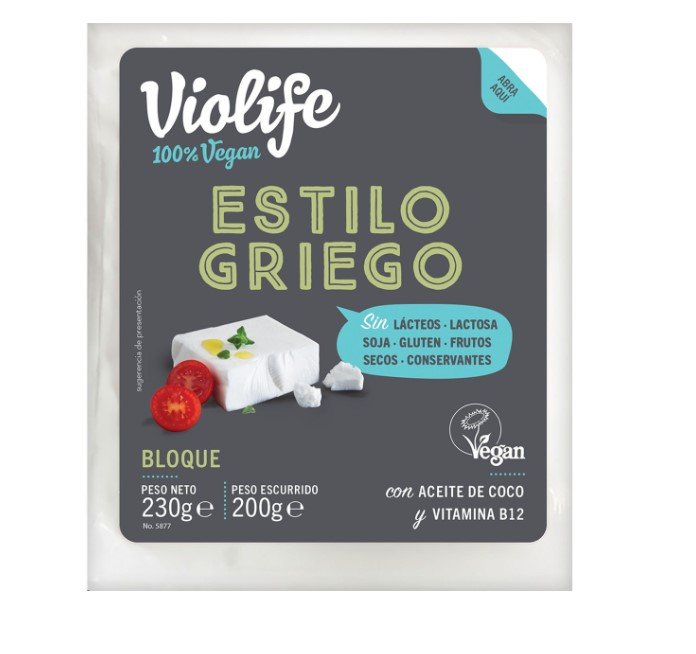
As an organic and vegan shop, we offer a wide variety of vegan products: vegan desserts, vegan cheese, plant-based protein, vegan meat, and other vegan and organic foods. Browse our extensive catalog. In this way, we contribute to animal welfare, combat global warming, and provide benefits to your health.
There are differences between a vegan and a vegetarian diet. Vegetarians and vegans have in common that they don't eat meat, but there are some key differences between the two:
- Vegetarians do not eat meat, but they do consume animal products, such as eggs, milk, and cheese.
- Vegans, on the other hand, do not consume any type of animal product, including eggs, milk, cheese, and other dairy products.
- The reasons for becoming vegetarian or vegan can vary. Some people do it for ethical reasons, while others do it for health or environmental reasons.
- A vegetarian diet can be easier to follow in some settings, as there are more options available in supermarkets and restaurants. A vegan diet, on the other hand, may require more planning and effort to ensure you get essential nutrients.
Vegetarians don't eat meat, but they do consume other animal products, such as eggs, milk, and cheese. Here's a list of what vegetarians can eat:
- Vegetables: fruits, vegetables and leafy greens.
- Grains: bread, rice, pasta, oats, etc.
Legumes: beans, lentils, chickpeas, etc. - Nuts and seeds: walnuts, chia seeds, hemp seeds, etc.
- Dairy products: milk, cheese, yogurt, etc.
- Eggs
In addition to these staple foods, vegetarians can also consume processed vegetarian foods, such as tofu, seitan, and other plant-based protein products. It is important to follow a balanced and varied diet to ensure you get all the essential nutrients you need.
It's important to include adequate protein sources in a vegan or vegetarian diet, as protein is essential for tissue growth and repair, and for maintaining a healthy immune function. Some vegan protein sources include:
- Legumes: beans, lentils, chickpeas, etc.
- Nuts and seeds: walnuts, chia seeds, hemp seeds, etc.
- Grains: wheat, rice, oats, etc.
- Plant proteins: tofu, seitan, tempeh, etc.
- Leafy green vegetables: spinach, broccoli, kale, etc.
It's important to note that some vegan protein sources are incomplete, meaning they don't contain all the essential amino acids your body needs. Therefore, it's important to combine different vegan protein sources to ensure you get a wide range of amino acids. Additionally, it's important to follow a balanced and varied diet to ensure you're getting all the necessary essential nutrients. Ultimately, a high-protein vegan diet is possible.
Some advantages of being vegan or advantages of a vegan diet are:
- A vegan diet can be healthier than a diet that includes animal products, as vegan foods are often high in nutrients and fiber and low in saturated fat and cholesterol.
- A vegan diet can help prevent chronic diseases such as obesity, diabetes, and heart disease.
- Vegan foods are more sustainable and environmentally friendly, as the production of plant-based foods requires fewer resources and produces fewer greenhouse gas emissions than the production of animal-based foods.
- Vegans can contribute to the protection of animal rights by not consuming products of animal origin.
- A vegan diet can be more economical than a diet that includes animal products, since many vegan foods, such as grains, beans, and vegetables, are more affordable than meat and other animal products.
To avoid gluten, it's important to eliminate foods containing wheat, barley, and rye from your diet. These foods include:
- Wheat: bread, pasta, cookies, cakes, pancakes, waffles, etc.
- Barley: beer, some types of malt, some bakery products
- Rye: bread, pancakes, waffles, some bakery products
It's important to read food labels to make sure they don't contain these ingredients. It's also important to keep in mind that gluten can be present in processed foods and non-baked products, such as some types of soup, sauces, and condiments. There are many gluten-free foods that are suitable for a gluten-free diet. A list of gluten-free foods would include:
- Vegetables: fruits, vegetables and leafy greens
- Gluten-free grains: rice, corn, quinoa, gluten-free oats, etc.
- Legumes: beans, lentils, chickpeas, etc.
- Nuts and seeds: walnuts, chia seeds, hemp seeds, etc.
- Gluten-free proteins: tofu, seitan, tempeh, etc.
It is important to follow a balanced and varied diet to ensure you get all the essential nutrients you need, being clear about which foods contain gluten and which do not.
Symptoms of gluten intolerance can vary from person to person, and may include:
- Gastrointestinal symptoms: abdominal pain, bloating, diarrhea, constipation, fatigue, nausea, and vomiting.
- Symptoms of gluten intolerance on the skin: rashes, dermatitis herpetiformis (a skin condition that causes painful rashes)
- Neurological symptoms: fatigue, headache, loss of balance
- Other symptoms: weight loss, anemia, muscle or joint pain
The symptoms of gluten intolerance can resemble those of other medical conditions, so it's important to speak with a doctor for proper diagnosis and treatment. If you think you may have gluten intolerance, it's important not to eliminate gluten from your diet without first speaking with a doctor, as this can be harmful to your health.
Lactose intolerance is a condition in which the body does not produce enough lactase, an enzyme needed to digest lactose, a type of sugar found in milk and other dairy products. Symptoms of lactose intolerance may include:
- Bloating and abdominal distension.
- Diarrhea.
- Gas.
- Abdominal pain.
- Nausea and vomiting.
Symptoms can appear 30 minutes to 2 hours after consuming dairy products and can range from mild to severe. Some people with lactose intolerance can tolerate small amounts of dairy products without experiencing symptoms, while others may need to avoid all dairy products.
If you think you may have lactose intolerance, it's important to talk to a doctor for proper diagnosis and treatment. Treatment may include eliminating dairy products from your diet or using lactase supplements to help digest lactose.