



Today we want to talk to you about how the September weather on our island affects the crops of our delicious vegetables.
September in Tenerife marks a smooth transition from summer to autumn. Temperatures remain pleasant, hovering around 24 to 28 degrees Celsius, with sunny days and cool nights, creating an ideal environment for a variety of crops. This combination of moderate warmth and humidity from the Atlantic breezes provides the perfect conditions for many vegetables to continue growing strong and healthy.
During this month, vegetables like peppers, zucchini, and eggplant reach their peak ripeness, with intense flavors and perfect textures. Lettuce, spinach, and chard thrive in these mild temperatures, remaining tender and crisp. Furthermore, September is ideal for the first harvests of cabbages and radishes, which benefit from the cool nights in Tenerife.
At Sanus Market , we love this time of year because our vegetables reflect the essence of Tenerife: freshness, flavor, and a touch of the sea breeze. Come and discover the best of September in our locally sourced products, grown with love and respect for nature.
Cultivation Zones and Climate Adaptation in Tenerife
In Tenerife, the diverse microclimates and varied geography of the island create a unique environment for agriculture, allowing for the cultivation of a wide range of fruits and vegetables year-round. The growing areas are strategically located to take full advantage of the specific climatic conditions of each zone, which is essential to guaranteeing the quality and freshness of the products we offer at Sanus Market.






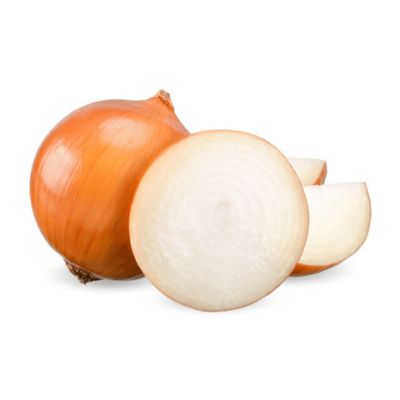

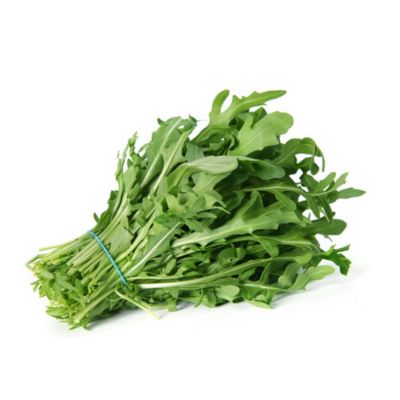
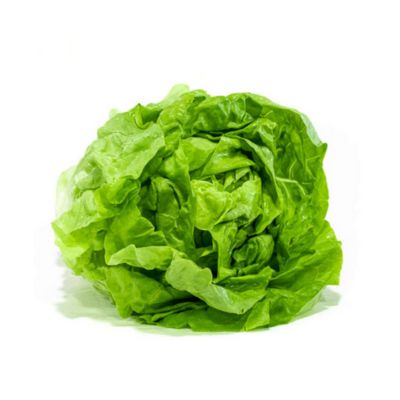
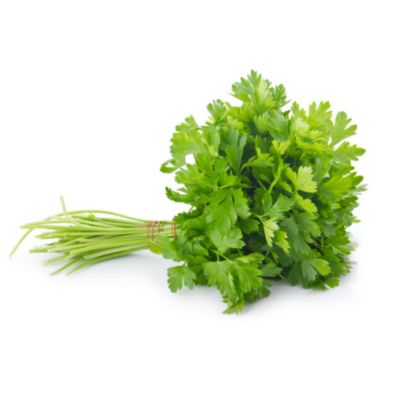



Cultivation Areas in Tenerife
The island is divided into several growing areas, each with its own climate and soil types. In the low-lying coastal areas, such as the Güímar Valley and the southern region of the island, warm temperatures and greater sun exposure prevail, ideal for growing vegetables that require plenty of sun and heat, such as tomatoes, zucchini, and peppers. These areas are also less prone to frost, allowing for more consistent, high-quality production throughout the year.
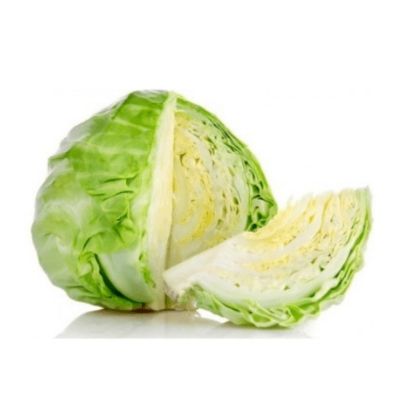
In contrast, the mid-altitude zones, located between 400 and 800 meters above sea level, offer a cooler and more humid climate. Areas like Tegueste and Tacoronte are perfect examples of these growing areas, where vegetables such as lettuce, cabbage, spinach, and chard find an ideal environment for their growth. The combination of moderate temperatures and fertile soils, enriched by volcanic activity, provides excellent terrain for more delicate crops that prefer to avoid extreme heat.
In the higher areas of the island, such as La Orotava and parts of Vilaflor, the climate becomes even cooler, with higher rainfall and soils rich in volcanic minerals. These conditions are ideal for root crops and cold-hardy vegetables, such as carrots, beets, and some varieties of cabbage. Although these areas require more careful management due to the possibility of frost, they offer a perfect microclimate for vegetables that need less sun and more moisture.
Some of the most popular organic vegetables grown in Tenerife in September are:
- Tomatoes
- Peppers (sweet and hot)
- Zucchini
- Eggplants
- Lettuce
- Spinach
- Swiss chard
- Cauliflower
- Broccoli
- Cucumbers
- French beans
- Carrots
- Radishes
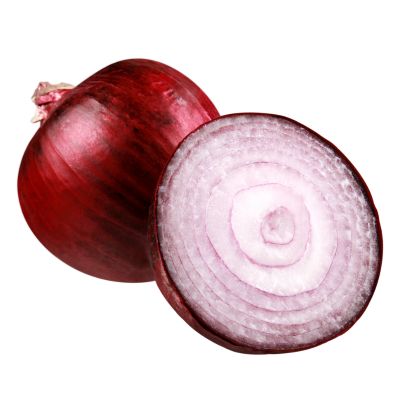
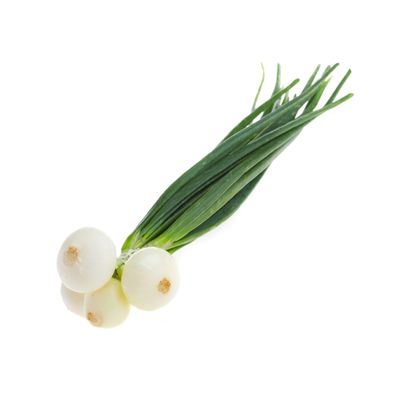
- Onions
- Leeks
- Beets
- Celery
- Brussels sprouts
- Fennel
Which vegetables are in season in September from the rest of Spain?
In September, in addition to the vegetables grown in Tenerife, many other regions of Spain produce a wide variety of seasonal vegetables. Here is a list of the most common vegetables in September from the rest of Spain:
- Tomatoes : At their peak, grown in Murcia, Andalusia and Extremadura.
- Peppers : Sweet and spicy, from Murcia, Navarra and La Rioja.
- Zucchini : Grown mainly in Andalusia and Murcia.
- Eggplants : Available in Andalusia and the Valencian Community.
- Cucumbers : From regions like Murcia and Almería.
Green beans: Especially from Navarre and Aragon. - Onions : Harvested in Castilla-La Mancha and the Valencian Community.
- Spinach : Fresh and tender, grown in Navarre and Andalusia.
- Chard : Popular in Navarre, Catalonia and the Valencian Community.
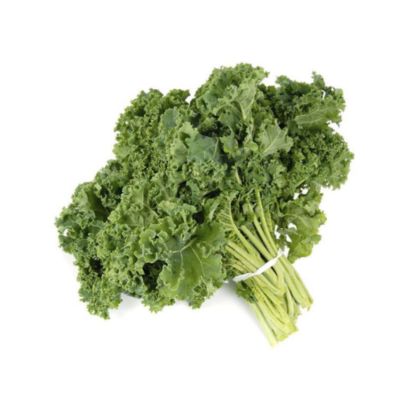
- Kale : Available in Galicia and other northern areas.
- Broccoli : Grown in Murcia and Navarra.
Cauliflower: From Navarre, La Rioja and Murcia. - Carrots : Grown in Castile and León and Navarre.
- Beetroots : Common in Castile and León and Galicia.
- Leeks : Available in Navarre and La Rioja.
- Celery : Grown in Andalusia and Murcia.
- Radishes : Fresh from Navarre and Murcia.
- Fennel : Originating from the Region of Murcia and the Valencian Community.
These vegetables reflect the agricultural diversity of Spain and are perfect for enjoying fresh and healthy meals during the month of September.

