Seasonal fruits and vegetables in November in Tenerife
Tenerife, known as the "Island of Eternal Spring," is a privileged location when it comes to climate, especially for growing fruits and vegetables. As the calendar moves towards November, the island experiences a subtle but beneficial change in its weather, which proves particularly advantageous for farmers and organic producers in Tenerife.
Although temperatures begin to drop slightly compared to the summer months, November in Tenerife still offers warm conditions, with average temperatures ranging between 18°C and 24°C. This moderate temperature, combined with relative humidity, creates an optimal environment for the germination and growth of various crops.
The reduction in extreme heat allows soils to retain moisture better, resulting in less water stress for crops. As a result, fruits like avocados, mangoes, and papayas reach their optimal ripeness, offering more intense flavors and perfect textures. Vegetables such as beans, squash, and spinach also benefit from these conditions, growing robust and rich in nutrients.
However, what truly sets November apart is the combination of these climatic factors with the quality of Tenerife's volcanic soil. This mineral-rich soil enhances the benefits of the climate and gives fruits and vegetables unique characteristics in flavor and quality.
Despite the occasional rain showers that can occur in November, they are usually brief and do not pose a problem for crops. On the contrary, they are often welcome as they provide the necessary moisture for balanced growth and a smaller ecological footprint in Tenerife.
In short, November in Tenerife is a month when nature and farmers work together. The climate, neither too hot nor too cold, along with the soil properties, makes this month an excellent time for growing fruits and vegetables, reflecting the true agricultural essence of the island. Therefore, November is a great month to buy organic produce in Tenerife.
Some of the most popular organic fruits grown in Tenerife are:
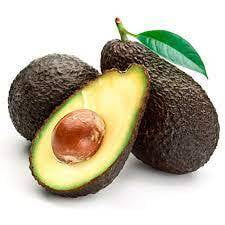
- Avocados
- Papayas
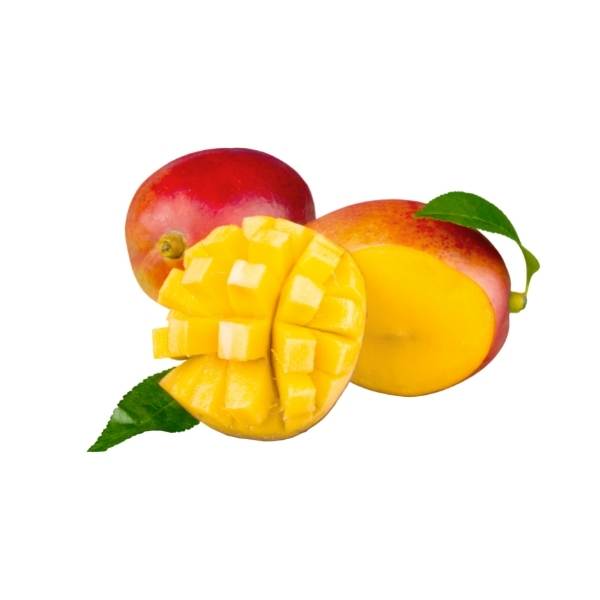
- Mangoes
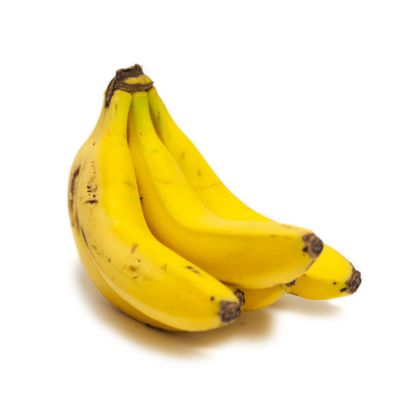
- Bananas
- Persimmons
- Cherimoyas
- Grapes
- Figs
- Pomegranates
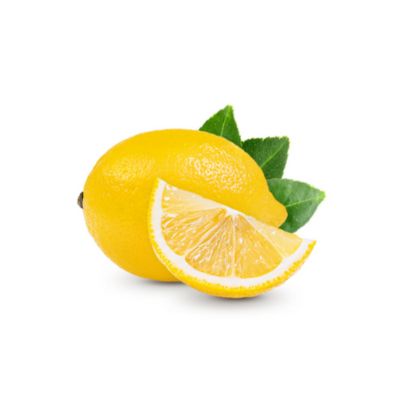
- Lemons
- Oranges
- Mandarins
- Guavas
- Prickly pears or prickly pears
What fruits are in season in November that originate from the rest of Spain?
Spain, with its diverse climate and geography, offers a wide variety of fruits year-round. In November, as the country enters the heart of autumn, many fruits are in season. Here is a list of fruits that are typically in season in November in the rest of Spain, outside of Tenerife:
- Persimmons: This fruit with orange pulp and a soft texture is in peak season in November.
- Pomegranates: Their bright, juicy red seeds are characteristic of autumn.
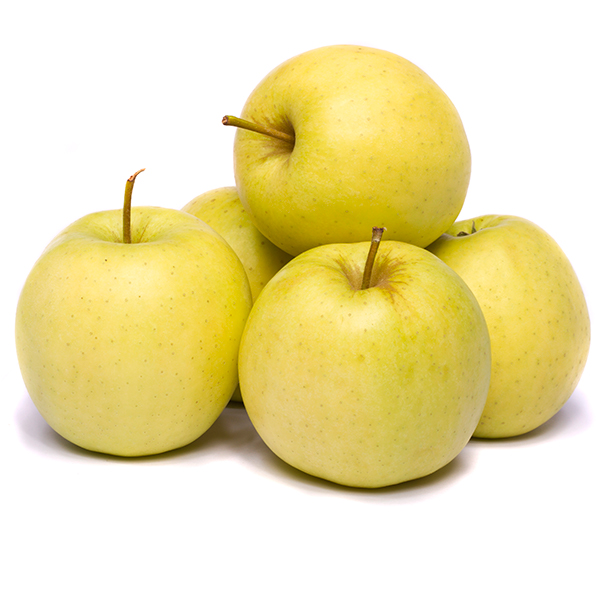
- Apples: Although there are varieties available year-round, many are at their best in the fall.
- Pears: Like apples, several varieties of pears are at their peak during November.
- Grapes: The main harvest is in September, but some varieties of table grapes remain available until November.
- Loquats: Their season is short and they can be found in some regions during the autumn.
- Quinces: They are in season and are mainly used to make quince jelly or jellies due to their astringent taste when raw.
- Kiwi: The kiwi season in Spain begins in autumn, so November is a good month for them.
- Mandarins: Early varieties begin to be available in November, offering their sweet and sour flavor.
- Oranges: Like tangerines, the first oranges of the season begin to appear in November.
- Cherimoyas: Especially in the Andalusia region, cherimoyas are at their peak during November.
- Figs: Some late or second harvest varieties, known as "Saint Martin figs", can be found in November.
- Chestnuts: Although not a fruit in the traditional sense, chestnuts are an emblematic food of autumn in Spain, especially in regions such as Galicia and northern Castile and León.
These are some of the fruits that are in season in November in various regions of Spain. It's important to note that availability may vary depending on weather conditions and the specific region.

Related products
Spelt Cookies with Coconut and Lemon
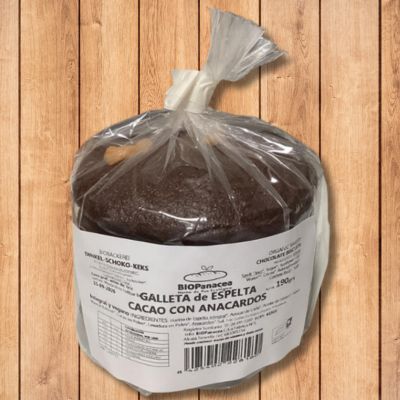
Cocoa and Cashew Cookies
Spelt Buns with Raisins
Vegfir Matcha Bio 370 gr
Organic Sliced Cheese
Fresh Organic Sauerkraut
Below we explain the seasonal vegetable calendar for November in Tenerife
Although temperatures begin to drop slightly compared to the summer months, November in Tenerife still offers warm conditions, with average temperatures ranging between 18°C and 24°C. This moderate temperature, combined with relative humidity, creates an optimal environment for the germination and growth of various crops.
The reduction in extreme heat allows soils to retain moisture better, resulting in less water stress for crops. Vegetables such as beans, squash, and spinach also benefit from these conditions, growing robust and rich in nutrients.
However, what truly sets November apart is the combination of these climatic factors with the quality of Tenerife's volcanic soil. This mineral-rich soil enhances the benefits of the climate and gives fruits and vegetables unique characteristics in flavor and quality.
Rainfall.
Despite the occasional rain showers that can occur in November, they are usually brief and do not pose a problem for crops. On the contrary, they are often welcome as they provide the necessary moisture for balanced growth and a smaller ecological footprint in Tenerife.
In short, November in Tenerife is a month when nature and farmers work together. The climate, neither too hot nor too cold, along with the soil properties, makes this month an excellent time for growing fruits and vegetables, reflecting the true agricultural essence of the island. Therefore, November is a great month to buy organic produce in Tenerife.
Some of the most popular organic vegetables grown in Tenerife are:
- Swiss chard
- Garlic (although the main planting is in autumn, they can begin to develop this month)
- Artichokes
- Celery
- Broccoli
- Zucchini
- Pumpkin
- Onion
- Brussels sprouts
- Cauliflower
- Spinach
- Peas
- Broad beans
- French beans
- Lettuce
- Turnip
- Leeks
- Radishes
- Beet
- Carrots
Which vegetables are in season in November from the rest of Spain?
In November, temperatures begin to drop in many regions of Spain, marking the start of the autumn/winter season for most vegetables. However, due to Spain's diverse climate, a wide variety of vegetables are in season in different regions. Here is a general list of vegetables that are typically in season in November across the rest of Spain:
- Swiss chard
- Spring garlic
- Artichokes (in some regions they start in November)
- Celery
- Eggplant (last of the season)
- Broccoli
- Pumpkin
- Zucchini (last of the season)
- Onions
- Brussels sprouts
- Cauliflower
- Endives
- Green asparagus (in warmer regions)
- Spinach
- Peas (in some regions)
- Broad beans (sowing and first sprouts)
- Green beans (last of the season)
- Lettuce
- Turnip
- Peppers (last of the season)
- Leeks
- Radishes
- Beet
- Cabbages
- Carrots
As always, the vegetables available may vary depending on the region and the year's weather conditions. It's ideal to buy seasonal produce because it's usually fresher, tastier, and more affordable. Furthermore, consuming seasonal and locally sourced products helps reduce environmental impact and supports local farmers.
Fruits are an excellent source of vitamins, minerals, antioxidants, and fiber. Eating fruit in November can help:
- Improve heart health
- Reduce the risk of chronic diseases
- Increase energy
- Improve skin health
- Help lose weight
At Sanus Market, we offer organic, seasonal fruit in November, sourced from organic producers in Tegueste, Tejina, Valle Guerra, Los Realejos, Playa San Juan, Güímar, Arico, and surrounding areas. We also import fruit from other parts of Spain and the EU. November sees a high volume of organic produce and a large number of organic producers in Tenerife.
To keep fruit fresh in November, store it in a cool, dry place. Some fruits, such as apples, pears, and bananas, can be stored in the refrigerator. Other fruits, such as oranges, clementines, and tangerines, do not need to be refrigerated.
Fresh fruit can be used in a variety of recipes. It can be eaten on its own, as a snack or dessert. It can also be used in salads, dressings, sauces, soups, stews, and desserts.
Eating vegetables in November, just like in any other month, offers numerous health benefits. However, there are some specific advantages to consuming seasonal vegetables in November:
- Freshness and flavor: Vegetables that are in season are generally harvested at their peak of ripeness, which means they offer the best flavor and texture.
- More nutrients: Vegetables harvested at their peak ripeness tend to have a higher nutritional content and more vitamins compared to those harvested earlier and transported long distances.
- Dietary diversity: Changing the vegetables you eat according to the season allows you to vary your diet, which in turn provides you with a wider range of nutrients throughout the year.
- Economy: Seasonal vegetables are usually cheaper because there is a greater supply and less storage and transport are required.
Supporting the local economy: Buying seasonal and local vegetables supports local farmers and producers, thus strengthening the community's economy.
At Sanus Market, we offer organic, seasonal vegetables in November, sourced from organic producers in Tegueste, Tejina, Valle Guerra, Los Realejos, Playa San Juan, Güímar, Arico, and surrounding areas. We also import vegetables from other parts of Spain and the EU. November sees a high volume of organic produce and a large number of organic producers in Tenerife.
In November, to store fresh vegetables:
- Keep root vegetables (carrots, turnips) in a cool, dark place.
- Store leafy greens (lettuce, spinach) in airtight bags in the refrigerator.
- Store tomatoes and peppers at room temperature away from sunlight.
Avoid storing vegetables together that produce/absorb ethylene (such as onions and potatoes). - Check them regularly and remove any that show signs of deterioration to prevent them from affecting the others.
Fresh vegetables can be used in a variety of recipes. They can be eaten on their own, as a snack, or in a multitude of dishes. They can also be used in salads, dressings, sauces, soups, stews, and much more.