



In the heart of winter, Tenerife, the island of eternal spring, transforms into an oasis of greenery and freshness, especially for those dedicated to growing organic fruits and vegetables. February, with its mild climate, is a particularly interesting month from an agricultural perspective. Unlike the drastic seasonal changes in other parts of the world, Tenerife offers gentler, more stable conditions, crucial for the flourishing of a wide variety of organic crops. In this article, we'll tell you everything you need to know about the seasonal vegetable calendar for February in Tenerife.
Agriculture in February.
The temperature in Tenerife during February generally ranges between 15°C at night and 21°C during the day, creating an optimal environment for the growth of many vegetables that prefer mild conditions. This climate, combined with the constant Atlantic breeze, makes the island an ideal location for organic farming, where high-quality produce can be grown without the need for intensive practices.
The relative humidity, which is usually kept at comfortable levels thanks to the trade winds, favors the cultivation of vegetables such as spinach, lettuce, cabbage, and a variety of aromatic herbs, which find the perfect balance for their development in February's climate. Furthermore, the lower incidence of pests during this month reduces the need for chemical interventions, aligning with the principles of organic farming.
In this blog, we'll take you on a tour of the seasonal vegetables available in February on our beautiful island. We invite you to learn more about these delicious vegetables and how to incorporate them into your diet for a healthier and more sustainable lifestyle.






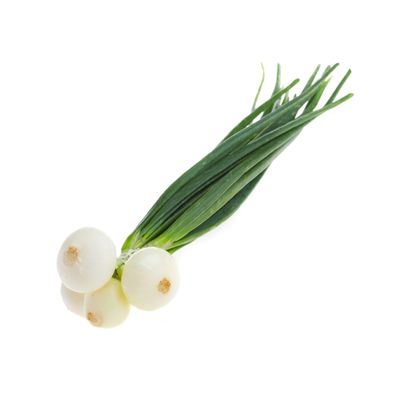


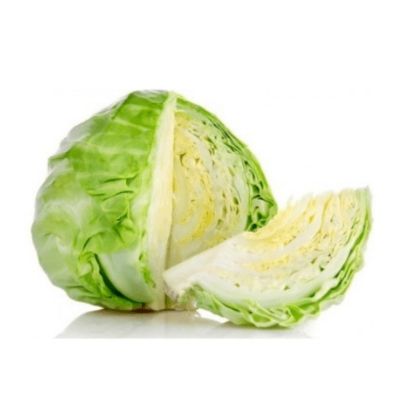
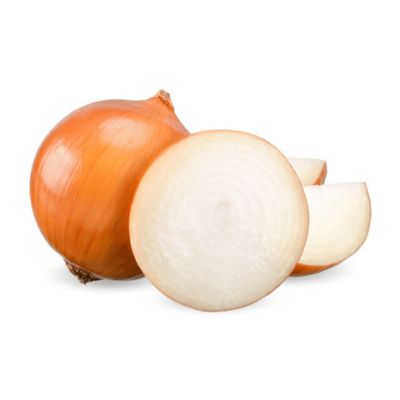

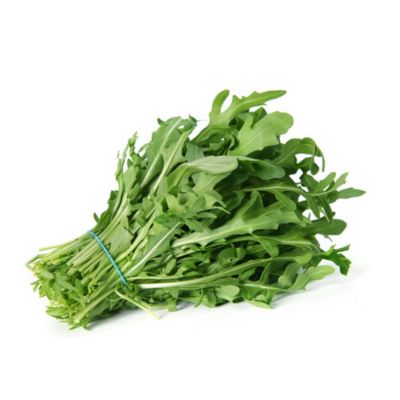

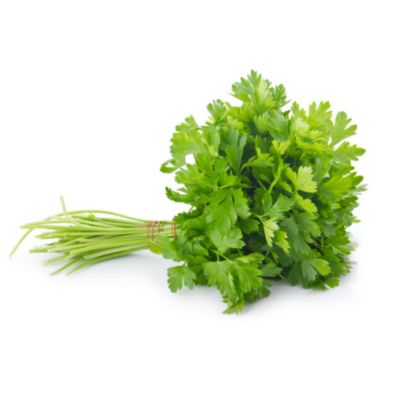

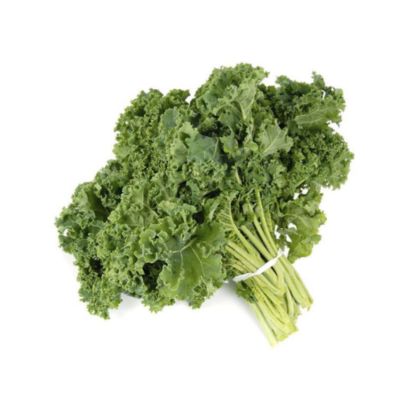


Some of the most popular organic vegetables grown in Tenerife are:
Which vegetables are in season in February that originate from the rest of Spain?
In February, across the rest of Spain, several vegetables are in season, taking advantage of the cooler weather at this time of year. Some of these vegetables include:
These vegetables benefit from Spain's cool to mild winter climate, allowing farmers to offer fresh, seasonal produce. Consuming seasonal vegetables not only guarantees greater freshness and flavor but also supports local agriculture and reduces the environmental impact associated with food transportation.

