



In March, Tenerife is enveloped in early spring, offering an idyllic climate for growing organic vegetables. The mild temperatures, averaging 20°C, and moderate rainfall create a perfect environment for a wide variety of vegetables to flourish.
This month marks the start of the planting season for many vegetables, including spinach, lettuce, and carrots, which thrive in the islands' balanced humidity and warmth. The abundant sunshine characteristic of the Canary Islands ensures vigorous and healthy growth, allowing farmers to prepare robust and nutritious harvests. March in Tenerife is undoubtedly a promising month for organic farming, brimming with life and new growing opportunities.
Agriculture in March
In this article, we'll take you on a tour of the seasonal vegetables available on our island in March. We invite you to learn more about these delicious vegetables and how to incorporate them into your diet for a healthier and more sustainable lifestyle.
Some of the most popular organic vegetables grown in Tenerife are:





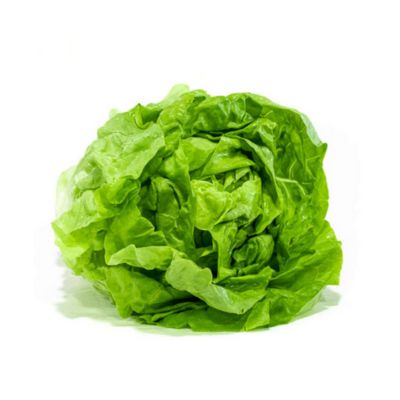
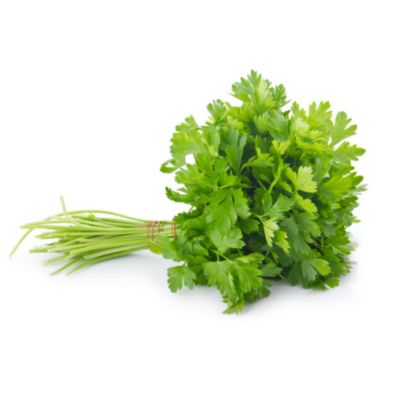

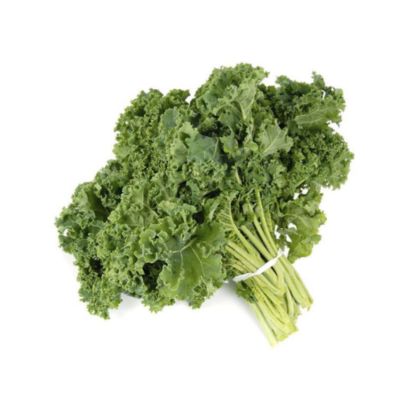


- Spinach
- Lettuce
- Carrots
- Swiss chard
- Peas
- Broad beans
- Radishes
- Kale
- Beet
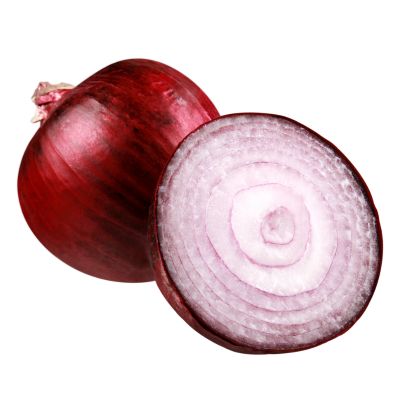
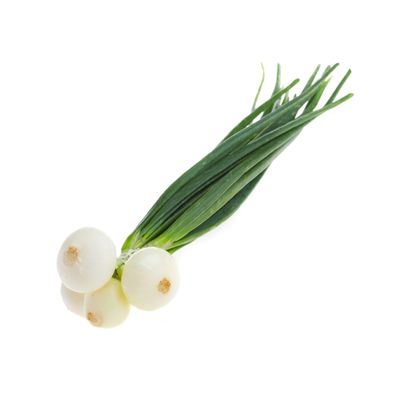
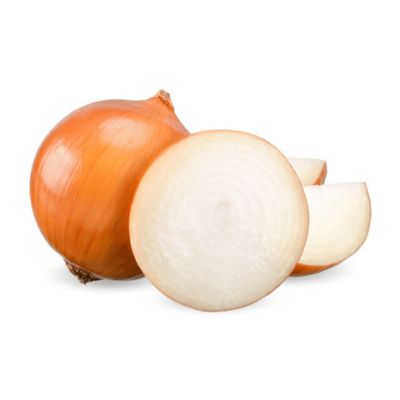
- Onions
Which vegetables are in season in March that originate from the rest of Spain?
In March, several vegetables are in season across the rest of Spain, reflecting the country's rich agricultural diversity. Here are some of them:
- Spinach – Nutritious and versatile, ideal for salads and cooked dishes.
- Lettuce – Fresh base for salads, available in several varieties.
- Peas – Sweet and crunchy, perfect for adding to stews or eating on their own.
- Broad beans – A great source of protein and fiber, excellent in stews or salads.
- Chard – Green leaves rich in vitamins, ideal for stir-frying or in soups.
- Cauliflower – Versatile for cooking, from steaming to roasting or pureeing.
- Broccoli – Rich in vitamins C and K, good steamed, roasted or in soups.
- Artichokes – Good for liver health, delicious baked or boiled.
- Asparagus – They're starting their season, perfect roasted or in omelets.
- Carrots – Sweet and crunchy, excellent raw or cooked, very versatile.
These vegetables, being in season, not only offer the best flavor and nutritional quality, but are also more sustainable, since their cultivation aligns with the natural growth cycle and climatic conditions of Spain at this time of year.

