



Seasonal vegetable calendar for January in Tenerife
January in Tenerife is a unique month, where the mild, temperate climate creates a paradise for lovers of agriculture and fresh food. Unlike many other regions, where winter means frozen lands and limited harvests, Tenerife benefits from a more benign climate. This particular climate allows farmers to cultivate a surprising variety of vegetables during this month, taking advantage of the moderate humidity and pleasant temperatures that are ideal for the growth of many plants.
Agriculture in January
Agriculture in Tenerife in January is not only possible, but also vibrant and diverse. This time of year is perfect for our local farmers to harvest the highest quality vegetables, bursting with nutrients and flavor. At our organic fruit and vegetable shop, we pride ourselves on offering these products, which not only support the local economy but also provide our customers with the very best that nature has to offer.
In this blog, we'll take you on a tour of the seasonal vegetables available in January on our beautiful island. We invite you to learn more about these delicious vegetables and how to incorporate them into your diet for a healthier and more sustainable lifestyle.
Some of the most popular organic vegetables grown in Tenerife are:


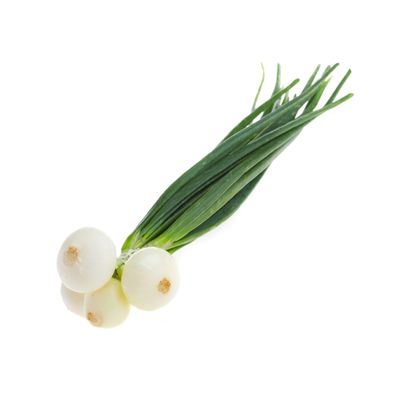


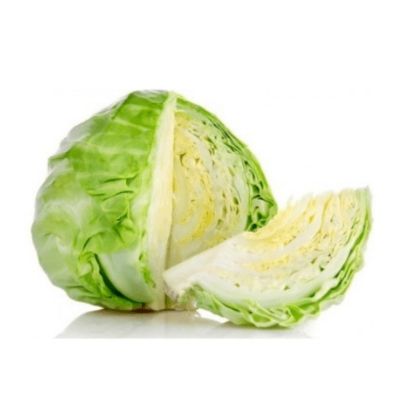
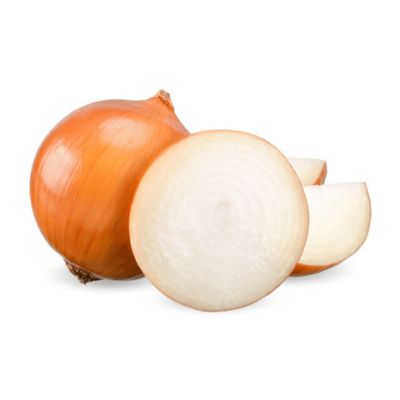

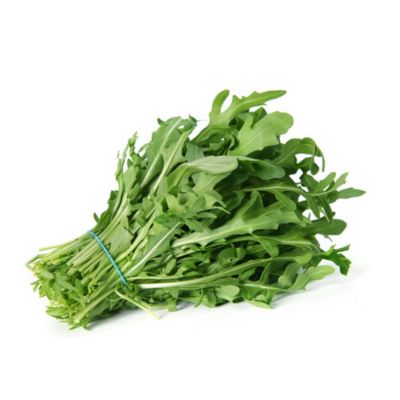
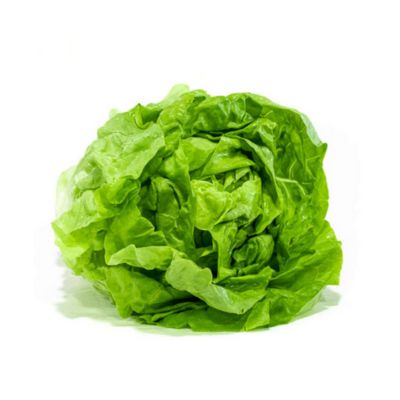
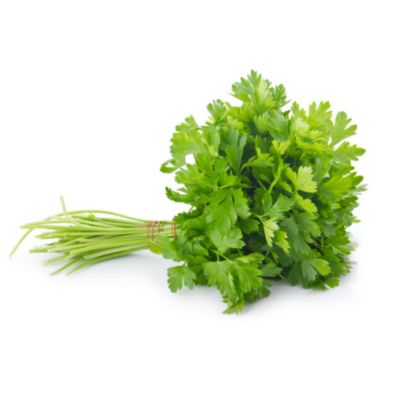

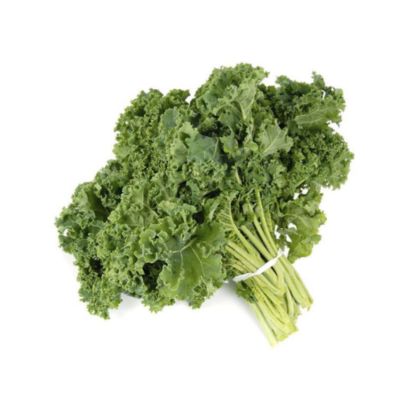


- Spinach
- Lettuce
- Swiss chard
- Carrots
- Zucchini
- Cabbage
- Leeks
- Beets
- Peas
- Broccoli
- Radishes
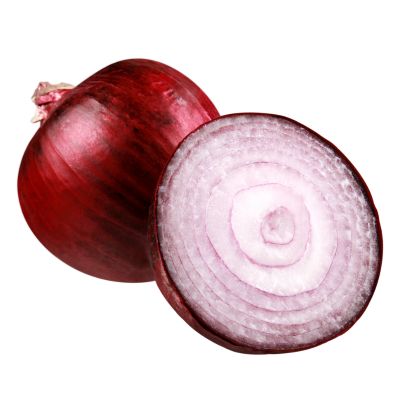
- Onions
- Peppers
- Potatoes
- Tomatoes
Which vegetables are in season in January that originate from the rest of Spain?
In January, across the rest of Spain, several vegetables are in season, taking advantage of the cooler weather at this time of year. Some of these vegetables include:
- Spinach: Cold-resistant, they grow well in low temperatures.
- Lettuce: Winter varieties, are best harvested in cold, wet climates.
- Chard: Tolerant of cold, they develop well during the winter.
- Carrots: They prefer cool soils; light frosts can improve their flavor.
- Zucchini: In mild climate zones, they can grow during the winter.
- Cabbage (including kale and cabbage): Very resistant to cold, ideal for winter climates.
- Broccoli : Thrives in cool climates and is harvested during the winter.
- Cauliflower: Similar to broccoli, it grows best in cold climates.
- Artichokes: Some varieties adapt well to the cold and wet winter climate.
- Leeks: Resistant to low temperatures, ideal for harvesting in winter.
- Endives: Grown in darkness to maintain their pale color, they prefer cold weather.
- Endives: They tolerate the cold well, common in winter salads.
- Turnips: Best tasting when harvested after light frosts.
- Peas: In more temperate areas, they can be sown in autumn to be harvested in winter.
- Beets: They prefer cool soil; cold temperatures can intensify their sweetness.
These vegetables benefit from the lower winter temperatures in Spain, which often results in a crispier texture and a sweeter flavor, especially in the case of roots and cabbages.

