


The summer climate of Tenerife
This time, we want to tell you how the summer climate of our beautiful island influences the quality and variety of the products we offer.
Tenerife is known for its subtropical climate, with mild and pleasant temperatures year-round. However, summer brings with it an environment particularly conducive to growing a wide variety of fruits and vegetables. During this season, temperatures typically range between 25 and 30 degrees Celsius, accompanied by a pleasant sea breeze that cools the fields. These factors, along with an average of more than 300 days of sunshine per year, create ideal conditions for the development of vibrant and flavorful crops.
At Sanus Market , we offer locally grown produce cultivated in mineral-rich volcanic soils, giving our fruits a unique character. The summer climate is particularly beneficial for tropical fruits like mangoes, papayas, and bananas, which require plenty of sunshine to reach optimal ripeness and develop that sweet, juicy flavor we all love.
At Sanus Market, we not only aim to offer healthy food, but also to connect our customers with the natural bounty of Tenerife. Enjoy the freshness and quality of our seasonal products, knowing that every bite is a testament to the love and care with which they are grown.








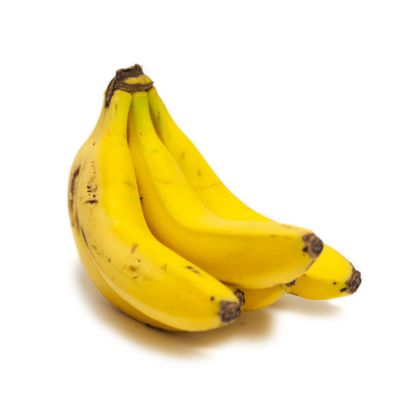




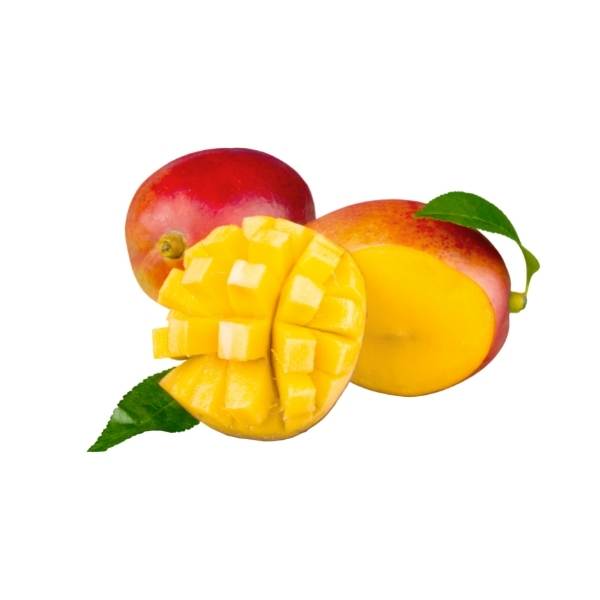
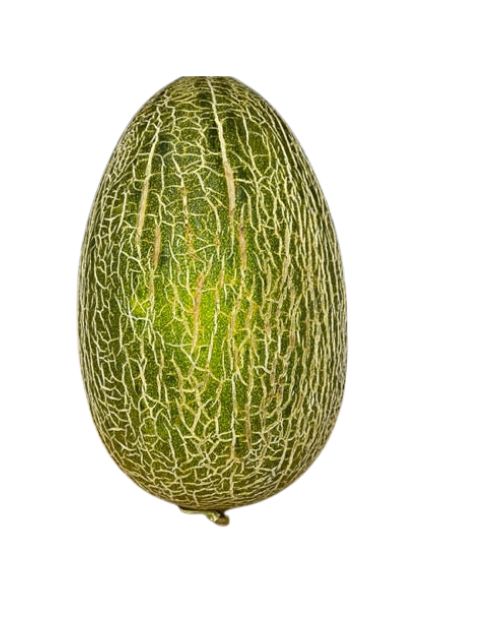
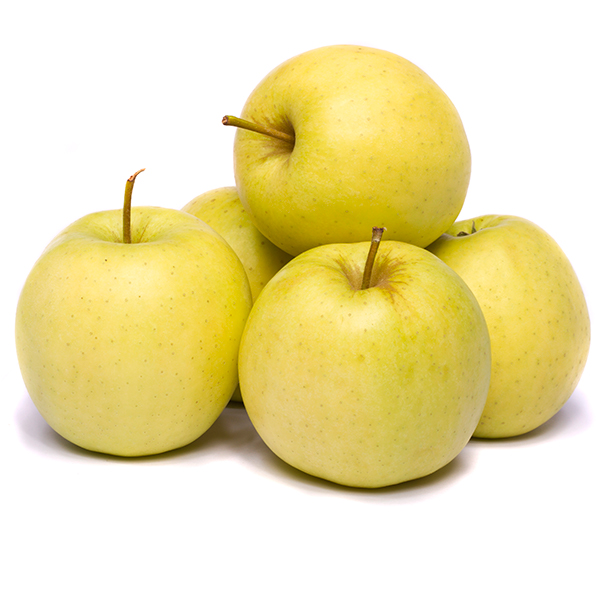
Some of the most popular organic fruits grown in Tenerife in summer are:
- Bananas
- Mangoes
- Papayas
- Figs
- Grapes
- Pears
- Apples
- Melons
- Watermelons
- Plums
- Loquats
Which fruits are in season in summer that originate from the rest of Spain?
In Spain, summer is a vibrant and colorful season, not only because of the warm, sunny weather, but also because of the abundance of fresh and delicious fruit that arrives in our markets. In addition to those produced in Tenerife, other Spanish regions offer us a wide variety of seasonal fruits:
- Peaches : Originally from Aragon, La Rioja and Catalonia, sweet and juicy.
- Nectarines : Grown in Murcia, Andalusia and Catalonia, perfect for eating fresh.
- Cherries : Those from Aragon and Extremadura stand out, known for their sweetness and intense flavor.
- Apricots : From the Region of Murcia and the Valencian Community, with their characteristic sweet and sour touch.
- Plums : Notable production in Extremadura and Andalusia, offering a range of colors and flavors.
- Figs : From Extremadura and Andalusia, with a soft texture and sweet taste.
- Raspberries : Mainly from Huelva, ideal for desserts and smoothies.
- Blackberries : Also from Huelva, perfect for jams and sweets.
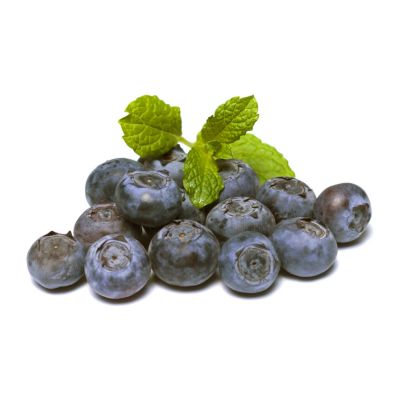
- Blueberries : Those from Galicia and Asturias stand out, being rich in antioxidants.
- Paraguayas : From Aragon and Catalonia, a flat and sweet variety of peach.
- Table grapes : Mainly from the Region of Murcia and Alicante, refreshing and versatile.
These fruits, carefully cultivated in various regions of the country, are a true summer delight that you can't miss.
What are the benefits of eating fruit in summer?
Fruits are an excellent source of vitamins, minerals, antioxidants, and fiber. Eating fruit in summer can help:
- Improve heart health
- Reduce the risk of chronic diseases
- Increase energy
- Improve skin health
- Help lose weight

