Seasonal fruits and vegetables in September in Tenerife
The island of Tenerife, blessed with a subtropical climate, boasts a seasonal fruit production calendar in September that presents promising opportunities for growers and distributors. This month marks a transition between the summer harvest and preparations for the winter season, offering a variety of ripe and developing fruits.
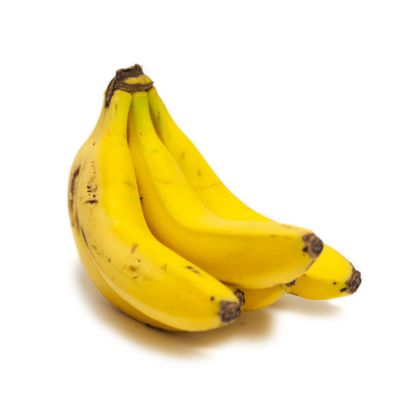
In September, Tenerife continues to harvest summer fruits such as bananas and papayas . Bananas, a mainstay of the local economy, are still being harvested in large quantities. Their sweetness and versatility make them a valuable commercial product. Papayas, rich in flavor and nutrients, are also at their peak, attracting attention from local and international markets. Bananas are a fruit that is always available as a seasonal fruit in the Canary Islands, and they are in season in Tenerife in September.
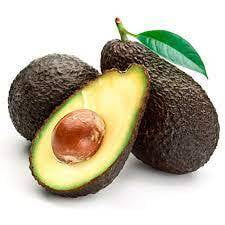
Furthermore, this month marks the start of avocado season. As temperatures begin to drop slightly, avocados start to ripen, offering a window of opportunity for marketing them. The growing global demand for this healthy and delicious fruit creates an exciting market opportunity for farmers in Tenerife.
The weather…
From a climatic perspective, September in Tenerife is generally warm and dry. Temperatures range between 21°C and 28°C, creating favorable conditions for fruit growth. However, it's important to consider the differences in altitude across the island, as these can affect temperatures and humidity. Lower-lying and coastal areas tend to be warmer, while mountainous areas may experience a slight decrease in temperatures.
The relative dryness of September, influenced by the trade winds, benefits most fruits by reducing the risk of fungal diseases and other problems related to excess moisture. This combination of climate and terrain makes Tenerife an ideal location for producing high-quality fruit.
Some of the most popular organic fruits that are grown naturally in Tenerife in September are:
What fruits are in season in September that originate from the rest of Spain?
In September, you can find a wide variety of fresh and delicious fruits that are in season, sourced from mainland Spain. Some of the fruits that are typically in season this month include:
- Grapes: Grapes are one of the most emblematic fruits of September in Spain due to the tradition of the grape harvest celebrations.
- Figs: Figs are another fruit that is in season in September, rich in vitamins.
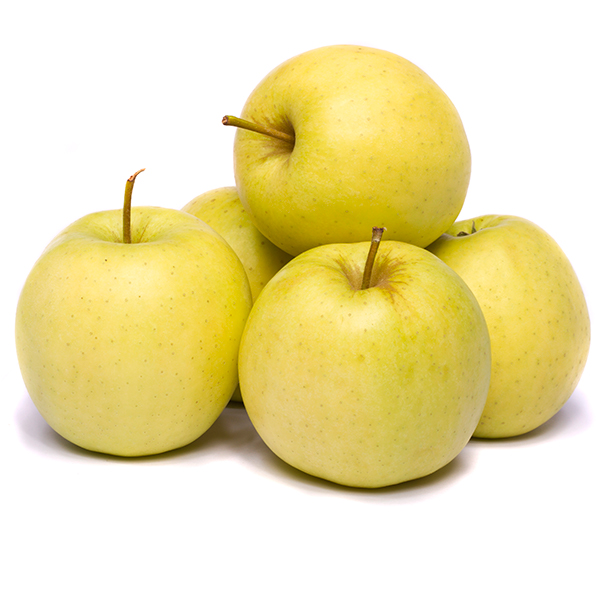
- Apples: Apples start becoming available in September. There is a variety of types and flavors to choose from.
- Pears: Like apples, pears are also in season in September. They are juicy and refreshing, ideal to eat on their own or in salads, and rich in fiber.
- Peaches and Nectarines: Although their season is at its peak in the summer months, it is still possible to find quality peaches and nectarines.
- Plums: Plums, both red and yellow varieties, are in season during the month of September.
- Pomegranates: At the end of September, pomegranates begin to become available.
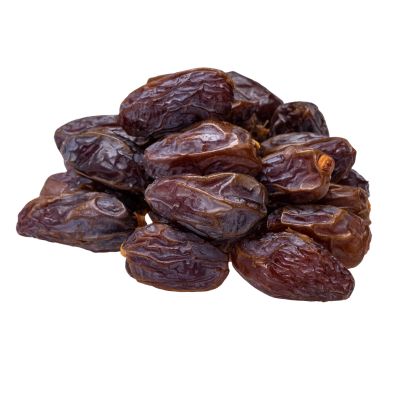
- Raisins: In addition to fresh grapes, raisins are also popular during this month, especially in traditional Spanish pastry.
During this month, vegetables like peppers, zucchini, and eggplant reach their peak ripeness, with intense flavors and perfect textures. Lettuce, spinach, and chard thrive in these mild temperatures, remaining tender and crisp. Furthermore, September is ideal for the first harvests of cabbages and radishes, which benefit from the cool nights in Tenerife.

Related products
Spelt Cookies with Coconut and Lemon
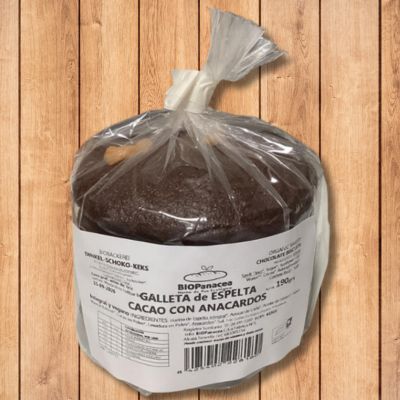
Cocoa and Cashew Cookies
Spelt Buns with Raisins
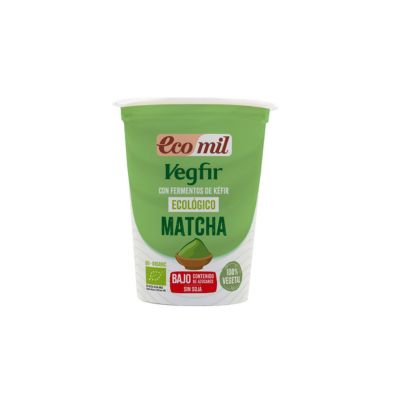
Vegfir Matcha Bio 370 gr
Organic Sliced Cheese
Fresh Organic Sauerkraut
At Sanus Market , we love this time of year because our vegetables reflect the essence of Tenerife: freshness, flavor, and a touch of the sea breeze. Come and discover the best of September in our locally sourced products, grown with love and respect for nature.
Cultivation Zones and Climate Adaptation in Tenerife
In Tenerife, the diverse microclimates and varied geography of the island create a unique environment for agriculture, allowing for the cultivation of a wide range of fruits and vegetables year-round. The growing areas are strategically located to take full advantage of the specific climatic conditions of each zone, which is essential to guaranteeing the quality and freshness of the products we offer at Sanus Market.
Cultivation Areas in Tenerife
The island is divided into several growing areas, each with its own climate and soil types. In the low-lying coastal areas, such as the Güímar Valley and the southern region of the island, warm temperatures and greater sun exposure prevail, ideal for growing vegetables that require plenty of sun and heat, such as tomatoes, zucchini, and peppers. These areas are also less prone to frost, allowing for more consistent, high-quality production throughout the year.
In contrast, the mid-altitude zones, located between 400 and 800 meters above sea level, offer a cooler and more humid climate. Areas like Tegueste and Tacoronte are perfect examples of these growing areas, where vegetables such as lettuce, cabbage, spinach, and chard find an ideal environment for their growth. The combination of moderate temperatures and fertile soils, enriched by volcanic activity, provides excellent terrain for more delicate crops that prefer to avoid extreme heat.
In the higher areas of the island, such as La Orotava and parts of Vilaflor, the climate becomes even cooler, with higher rainfall and soils rich in volcanic minerals. These conditions are ideal for root crops and cold-hardy vegetables, such as carrots, beets, and some varieties of cabbage. Although these areas require more careful management due to the possibility of frost, they offer a perfect microclimate for vegetables that need less sun and more moisture.
Some of the most popular organic vegetables grown in Tenerife in September are:
- Tomatoes
- Peppers (sweet and hot)
- Zucchini
- Eggplants
- Lettuce
- Spinach
- Swiss chard
- Cauliflower
- Broccoli
- Cucumbers
- French beans
- Carrots
- Radishes
- Onions
- Leeks
- Beets
- Celery
- Brussels sprouts
- Fennel
Which vegetables are in season in September from the rest of Spain?
In September, in addition to the vegetables grown in Tenerife, many other regions of Spain produce a wide variety of seasonal vegetables. Here is a list of the most common vegetables in September from the rest of Spain:
- Tomatoes : At their peak, grown in Murcia, Andalusia and Extremadura.
- Peppers : Sweet and spicy, from Murcia, Navarra and La Rioja.
- Zucchini : Grown mainly in Andalusia and Murcia.
- Eggplants : Available in Andalusia and the Valencian Community.
- Cucumbers : From regions like Murcia and Almería.
Green beans: Especially from Navarre and Aragon. - Onions : Harvested in Castilla-La Mancha and the Valencian Community.
- Spinach : Fresh and tender, grown in Navarre and Andalusia.
- Chard : Popular in Navarre, Catalonia and the Valencian Community.
- Kale : Available in Galicia and other northern areas.
- Broccoli : Grown in Murcia and Navarra.
Cauliflower: From Navarre, La Rioja and Murcia. - Carrots : Grown in Castile and León and Navarre.
- Beetroots : Common in Castile and León and Galicia.
- Leeks : Available in Navarre and La Rioja.
- Celery : Grown in Andalusia and Murcia.
- Radishes : Fresh from Navarre and Murcia.
- Fennel : Originating from the Region of Murcia and the Valencian Community.
These vegetables reflect the agricultural diversity of Spain and are perfect for enjoying fresh and healthy meals during the month of September.
Fruits are an excellent source of vitamins, minerals, antioxidants, and fiber. Eating fruit in September can help:
- Improve heart health
- Reduce the risk of chronic diseases
- Increase energy
- Improve skin health
- Help lose weight
At Sanus Market, we offer organic seasonal fruit in September, sourced from organic producers in Tegueste, Tejina, Valle Guerra, Los Realejos, Playa San Juan, Guimar, Arico, and other areas. We also import fruit from other parts of Spain and the EU.
To keep fruit fresh in September, store it in a cool, dry place. Some fruits, such as apples , pears, and bananas, can be stored in the refrigerator. Other fruits, such as oranges, clementines, and tangerines, do not need to be refrigerated.
Fresh, seasonal fruits in September can be used in a variety of recipes. They can be eaten on their own as a snack or dessert. They can also be used in salads, dressings, sauces, soups, stews, and desserts.
Vegetables are an excellent source of vitamins, minerals, antioxidants, and fiber. Eating vegetables in September can help:
- Improve heart health
- Reduce the risk of chronic diseases
- Increase energy
- Improve skin health
- Help lose weight
At Sanus Market, we offer seasonal organic vegetables in September, sourced from organic producers in Tegueste, Tejina, Valle Guerra, Los Realejos, Playa San Juan, Guimar, Arico, and other areas. February sees a high volume of organic produce and numerous organic producers in Tenerife.
Proper storage of fresh vegetables is crucial for maintaining their freshness and flavor, especially during September when weather conditions can be unpredictable. Here are some general tips for storing different types of vegetables:
- Green leaves (such as spinach, lettuce): Wrap them in kitchen paper and store them in the vegetable drawer of the refrigerator.
- Tubers and Roots (such as potatoes and carrots): Store them in a cool, dark, well-ventilated place (not in the refrigerator).
- Tomatoes : Keep them at room temperature, out of direct sunlight.
- Onions and garlic : store them in a dry, well-ventilated place.
- Broccoli, Cauliflower, Brussels Sprouts : In perforated bags in the refrigerator.
- Avoid Excess Humidity : Do not use completely sealed bags and do not wash vegetables before storing them.
By following these basic tips, you can keep your vegetables fresh for longer in September.
Fresh vegetables can be used in a variety of recipes.
- Salads and Smoothies : Use leafy greens like spinach and lettuce for fresh salads or nutritious smoothies.
- Soups and Stews : Add root vegetables such as carrots and turnips, as well as broccoli and cauliflower, to hot soups and stews.
- Roasts and Sautéed Vegetables : Prepare roasted or sautéed vegetables such as peppers and onions to accompany main dishes.