Seasonal fruits and vegetables in March in Tenerife
March in Tenerife is a month of climatic transition, marking the gentle farewell to winter and the welcome of the first hints of spring. This period is especially significant for the island's farmers and growers, as the moderate climate, with mild temperatures and a balanced mix of sunny days interspersed with occasional rain, creates the ideal environment for the flourishing of a wide variety of fruits and crops.
In these weeks, the soil, still damp from the winter rains, becomes a fertile canvas ready for planting. It's the ideal time to plant and prepare the crops that will grace the fields in the coming months, from vibrant carrots to juicy avocados and sweet papayas, all benefiting from the unique weather of March.
This period is not only crucial for determining the quality and quantity of future harvests, but it also highlights the wisdom and adaptation of local farmers, who, guided by generations of experience, know how to make the most of the island's climate to cultivate exceptional quality products that are the pride of Tenerife.
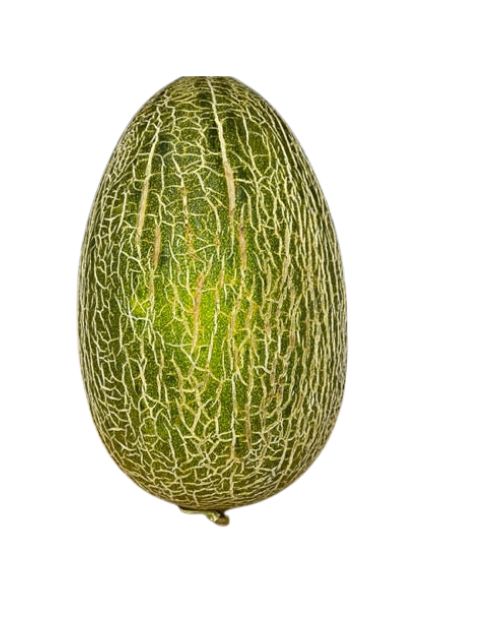
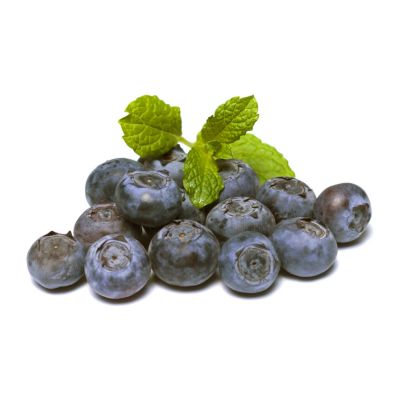
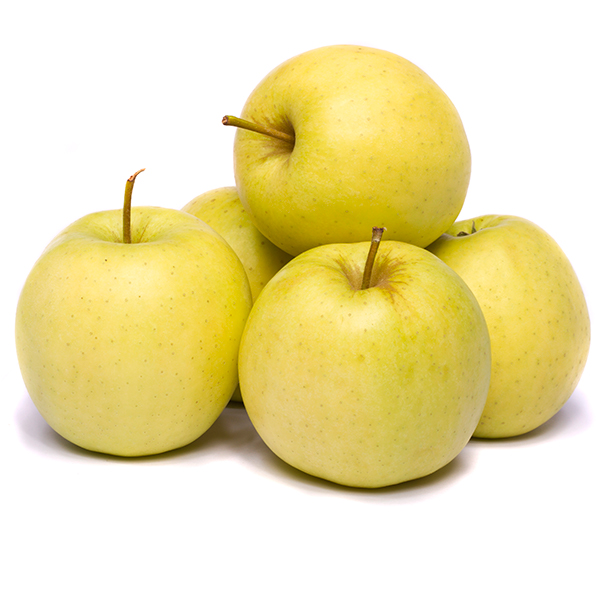
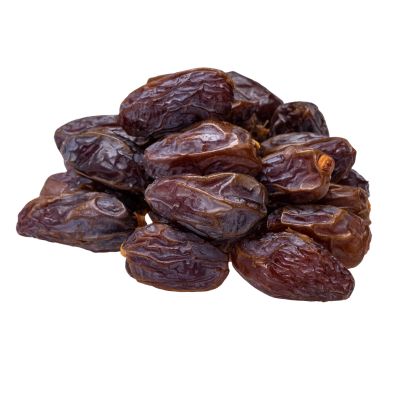
Seasonal fruit in March.
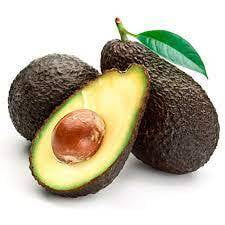
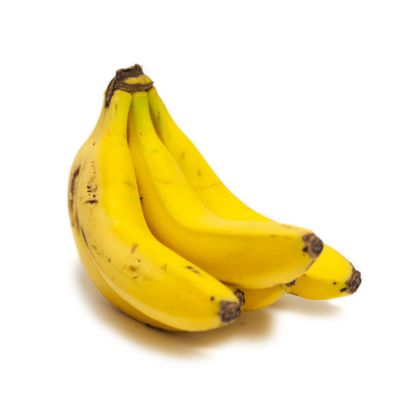
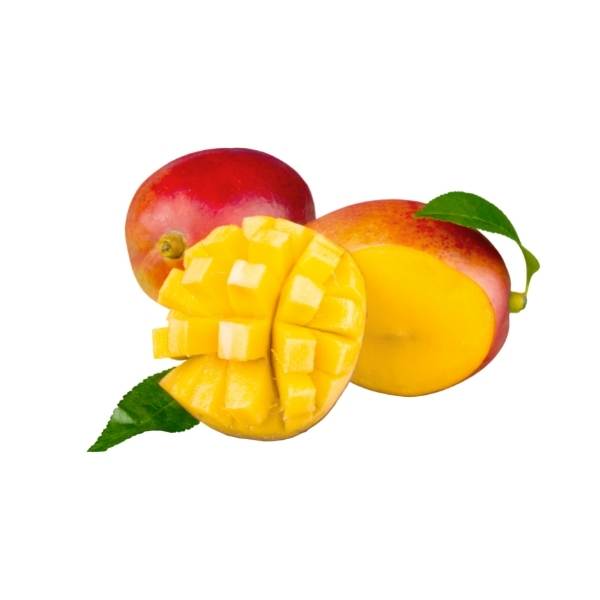
March in Tenerife is a vibrant month for seasonal fruit, thanks to its privileged climate that allows for the cultivation of an exceptional variety of fruits year-round. This month, the island revels in the harvest of both winter fruits and those that herald the arrival of spring, offering a diversity that is a true celebration of flavor and color.
This diverse array of fruits is not only a testament to Tenerife's idyllic climate, but also to the hard work and dedication of the island's farmers, who strive to provide fresh, top-quality produce. Consuming seasonal fruit not only guarantees optimal flavor and nutrition, but also supports the local economy and promotes sustainable farming practices. In March, Tenerife transforms into a fruit lover's paradise, offering flavors to satisfy every palate.
Some of the most popular organic fruits grown in Tenerife are:
Which fruits are in season in March that originate from the rest of Spain?
In March, the rest of Spain offers a variety of seasonal fruits from different regions of the country, reflecting the climatic and agricultural diversity of the peninsula and its islands. Here is a list of some typical fruits in season in March:
- Oranges
- Mandarins
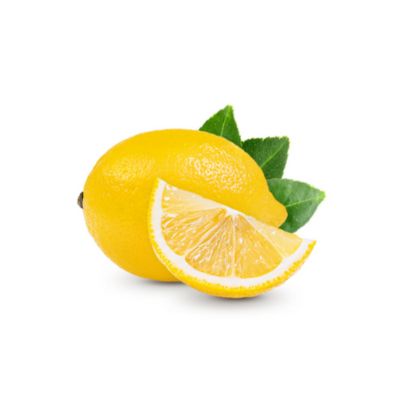
- Lemons
- Strawberries
- Kiwis (in the warmer and wetter regions)
- Apples (last varieties of the season)
- Pears (last varieties of the season)
- Canary Island bananas
It's worth noting that while some fruits like apples and pears may be nearing the end of their season, they are still available thanks to optimal storage conditions that prolong their freshness after harvest. Availability may vary depending on specific weather conditions each year and region.

Related products
Spelt Cookies with Coconut and Lemon
Cocoa and Cashew Cookies
Spelt Buns with Raisins
Vegfir Matcha Bio 370 gr
Organic Sliced Cheese
Fresh Organic Sauerkraut
In March, Tenerife is enveloped in early spring, offering an idyllic climate for growing organic vegetables. The mild temperatures, averaging 20°C, and moderate rainfall create a perfect environment for a wide variety of vegetables to flourish.
This month marks the start of the planting season for many vegetables, including spinach, lettuce, and carrots, which thrive in the islands' balanced humidity and warmth. The abundant sunshine characteristic of the Canary Islands ensures vigorous and healthy growth, allowing farmers to prepare robust and nutritious harvests. March in Tenerife is undoubtedly a promising month for organic farming, brimming with life and new growing opportunities.
Agriculture in March
In this article, we'll take you on a tour of the seasonal vegetables available on our island in March. We invite you to learn more about these delicious vegetables and how to incorporate them into your diet for a healthier and more sustainable lifestyle.
Some of the most popular organic vegetables grown in Tenerife are:
- Spinach
- Lettuce
- Carrots
- Swiss chard
- Peas
- Broad beans
- Radishes
- Kale
- Beet
- Onions
Which vegetables are in season in March that originate from the rest of Spain?
In March, several vegetables are in season across the rest of Spain, reflecting the country's rich agricultural diversity. Here are some of them:
- Spinach – Nutritious and versatile, ideal for salads and cooked dishes.
- Lettuce – Fresh base for salads, available in several varieties.
- Peas – Sweet and crunchy, perfect for adding to stews or eating on their own.
- Broad beans – A great source of protein and fiber, excellent in stews or salads.
- Chard – Green leaves rich in vitamins, ideal for stir-frying or in soups.
- Cauliflower – Versatile for cooking, from steaming to roasting or pureeing.
- Broccoli – Rich in vitamins C and K, good steamed, roasted or in soups.
- Artichokes – Good for liver health, delicious baked or boiled.
- Asparagus – They're starting their season, perfect roasted or in omelets.
- Carrots – Sweet and crunchy, excellent raw or cooked, very versatile.
These vegetables, being in season, not only offer the best flavor and nutritional quality, but are also more sustainable, since their cultivation aligns with the natural growth cycle and climatic conditions of Spain at this time of year.
Fruits are an excellent source of vitamins, minerals, antioxidants, and fiber. Eating fruit in March can help:
- Improve heart health
- Reduce the risk of chronic diseases
- Increase energy
- Improve skin health
- Help lose weight
At Sanus Market we have organic seasonal fruits in March, sourced from organic producers in Tegueste, Tejina, Valle Guerra, Los Realejos, Playa San Juan, Guimar, Arico, etc.
To keep fruit fresh in March, store it in a cool, dry place. Some fruits, such as apples, pears, and bananas, can be stored in the refrigerator. Other fruits, such as oranges, clementines, and tangerines, do not need to be refrigerated.
Fresh fruit can be used in a variety of recipes. It can be eaten on its own, as a snack or dessert. It can also be used in salads, dressings, sauces, soups, stews, and desserts.
Vegetables are an excellent source of vitamins, minerals, antioxidants, and fiber. Eating vegetables in March can help:
- Improve heart health
- Reduce the risk of chronic diseases
- Increase energy
- Improve skin health
- Help lose weight
At Sanus Market, we have organic, seasonal vegetables available in March, sourced from organic producers in Tegueste, Tejina, Valle Guerra, Los Realejos, Playa San Juan, Guimar, Arico, and other areas. February sees a high volume of organic produce and many organic producers in Tenerife.
Proper storage of fresh vegetables is crucial for maintaining their freshness and flavor, especially during March when weather conditions can be unpredictable. Here are some general tips for storing different types of vegetables:
- Green leaves (such as spinach, lettuce): Wrap them in kitchen paper and store them in the vegetable drawer of the refrigerator.
- Tubers and Roots (such as potatoes and carrots): Store them in a cool, dark, well-ventilated place (not in the refrigerator).
- Tomatoes: Keep them at room temperature, out of direct sunlight.
- Onions and garlic: store them in a dry, well-ventilated place.
- Broccoli, Cauliflower, Brussels Sprouts: In perforated bags in the refrigerator.
- Avoid Excess Humidity: Do not use completely sealed bags and do not wash vegetables before storing them.
By following these basic tips, you can keep your vegetables fresh for longer in March.
Fresh vegetables can be used in a variety of recipes.
- Salads and Smoothies : Use leafy greens like spinach and lettuce for fresh salads or nutritious smoothies.
- Soups and Stews : Add root vegetables such as carrots and turnips, as well as broccoli and cauliflower, to hot soups and stews.
- Roasts and Sautéed Vegetables : Prepare roasted or sautéed vegetables such as peppers and onions to accompany main dishes.