



The importance of properly washing organic fruit: benefits and risks of contamination .
In recent years, concerns about health and the environment have led to an increase in the consumption of organic foods, including organic fruits . Organic and ecological products are known for being grown without the use of pesticides and synthetic chemical fertilizers. This makes them an attractive option for those seeking a healthier diet. However, it is important to note that even organic fruits can be exposed to certain risks of contamination, making it necessary to wash them thoroughly before consumption.
Risks of contamination in organic fruit
Although organic fruits and vegetables are grown using more sustainable and environmentally friendly practices, this does not exempt them from potential contamination risks. One of the main risks is related to the presence of organic pesticides used in organic farming. While these pesticides are of natural origin, such as plant or mineral extracts, they are not without certain harmful effects on human health if consumed in large quantities.














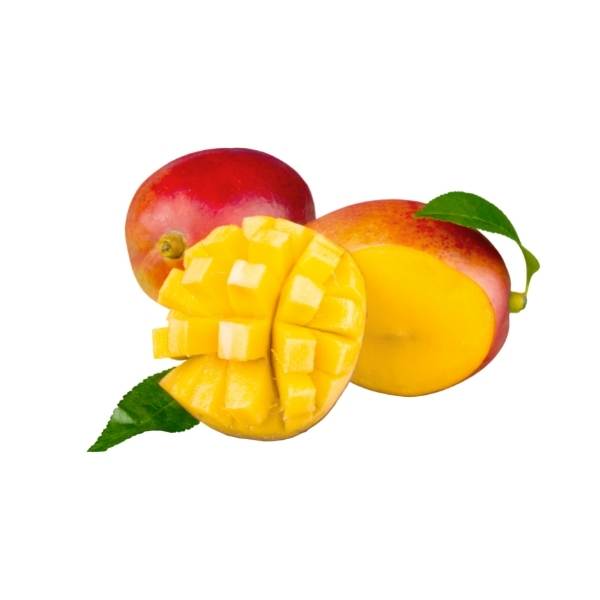



The importance of properly washing organic fruit
Since fruits and vegetables may contain organic pesticides, it is essential to wash them thoroughly before consumption. Washing organic fruits and vegetables helps reduce exposure to potential pesticide residues and other contaminants, thus improving food safety and minimizing health risks.
How to wash fruit properly?
- Rinse with running water: Start by rinsing the organic fruit with running water to remove any visible dirt or surface residue.
- Gently rub: Use your hands or a soft-bristled brush to gently rub the surface of the fruit. Do this especially for those with rougher skins, such as apples or pears.
- White vinegar: To remove organic pesticide residue, you can soak the fruit in a solution of water and white vinegar. Mix one part white vinegar with three parts water and soak the fruit for a few minutes. Then rinse with running water.
- Peeling the fruit: If you prefer a safer option, especially for fruits with thicker peels, such as oranges or bananas, you can peel them before eating them. This will help remove any potential pesticide residue on the surface.
Despite the potential risks of contamination, the benefits of consuming organic fruit outweigh the risks and support its selection as a healthy and sustainable option. Here are some of the key benefits:

