Seasonal fruits and vegetables in February in Tenerife
February in Tenerife is a month known for its mild and pleasant climate, a characteristic that makes the island ideal for organic farming, especially fruit cultivation. With temperatures ranging between 15°C and 21°C, this time of year offers ideal climatic conditions for the development of a wide variety of fruit trees.
The mild climate, along with moderate hours of sunshine, favors the cultivation of subtropical and seasonal fruits. During this month, farmers benefit from a lower incidence of pests, allowing for less use of pesticides and promoting more sustainable and environmentally friendly farming practices.
Seasonal fruit in February.
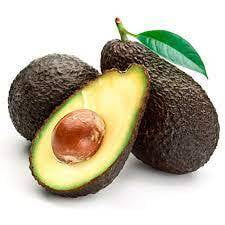
Fruits such as avocados, guavas, and certain citrus varieties find February an ideal time for their growth and ripening. Tenerife's stable climate during this month not only ensures a high-quality fruit harvest but also preserves biodiversity and promotes the health of the island's ecosystem.
Organic farming in Tenerife benefits especially in February, as the climate allows for agricultural practices that respect the natural cycle of plants, thus guaranteeing fresh, tasty and nutritious fruit for the conscious consumer.
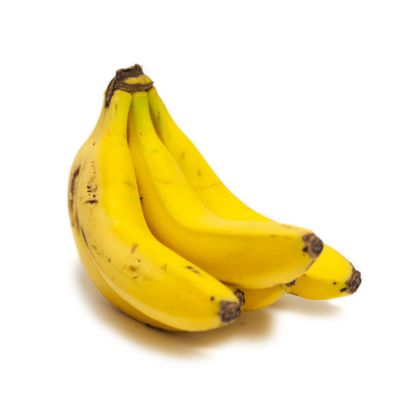
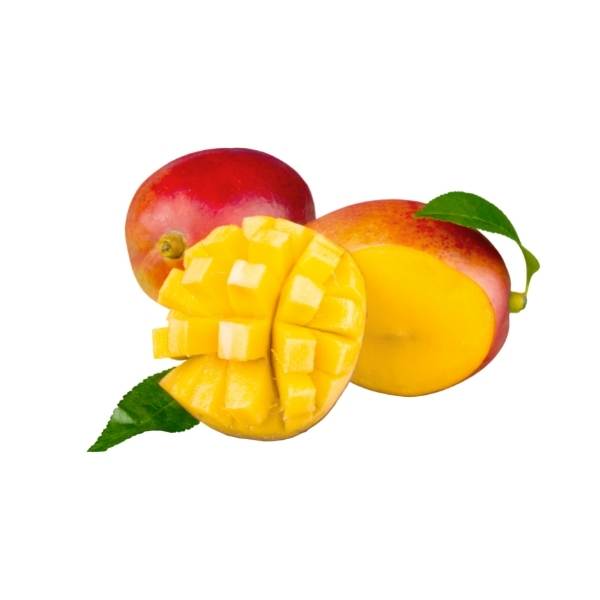
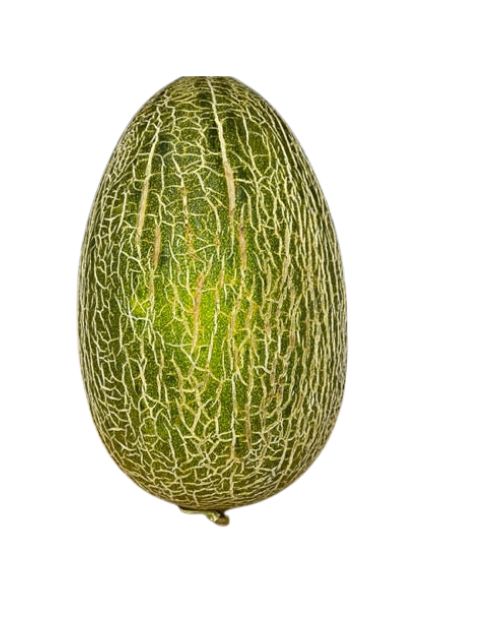
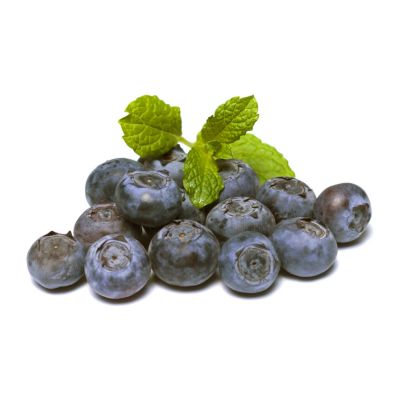
Some of the most popular organic fruits grown in Tenerife are:
Which fruits are in season in February from the rest of Spain?
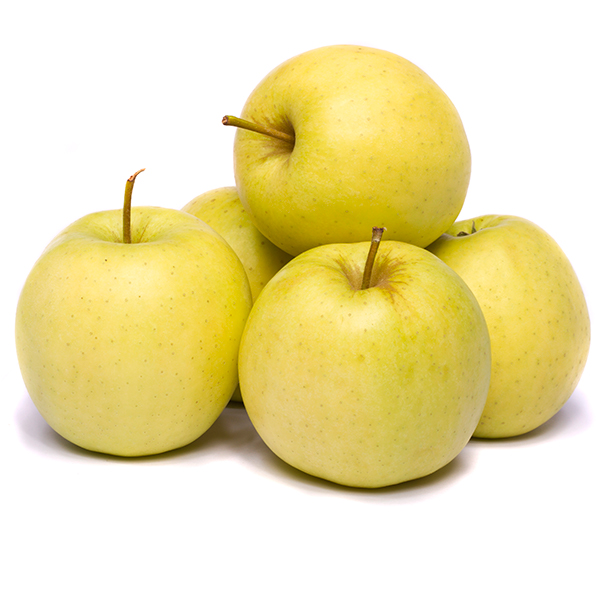
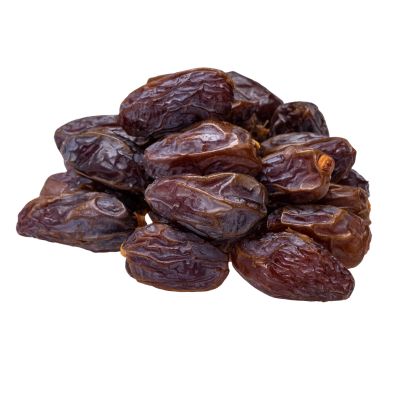
In the rest of Spain, February is the middle of winter, which affects the availability of fresh, seasonal fruit. However, some fruits are typically harvested or at their best during this month. Here is a list of fruits that are usually in season in February in Spain:
These fruits benefit from Spain's varied climate, where Mediterranean and more temperate regions allow for the cultivation of citrus fruits and other fruits even during the coldest months. Consuming seasonal fruits supports local producers and ensures an intake of fresh, flavorful produce.
In the heart of winter, Tenerife, the island of eternal spring, transforms into an oasis of greenery and freshness, especially for those dedicated to growing organic fruits and vegetables. February, with its mild climate, is a particularly interesting month from an agricultural perspective. Unlike the drastic seasonal changes in other parts of the world, Tenerife offers gentler, more stable conditions, crucial for the flourishing of a wide variety of organic crops. In this article, we'll tell you everything you need to know about the seasonal vegetable calendar for February in Tenerife.

Related products
Spelt Cookies with Coconut and Lemon
Cocoa and Cashew Cookies
Spelt Buns with Raisins
Vegfir Matcha Bio 370 gr
Organic Sliced Cheese
Fresh Organic Sauerkraut
Agriculture in February.
The temperature in Tenerife during February generally ranges between 15°C at night and 21°C during the day, creating an optimal environment for the growth of many vegetables that prefer mild conditions. This climate, combined with the constant Atlantic breeze, makes the island an ideal location for organic farming, where high-quality produce can be grown without the need for intensive practices.
The relative humidity, which is usually kept at comfortable levels thanks to the trade winds, favors the cultivation of vegetables such as spinach, lettuce, cabbage, and a variety of aromatic herbs, which find the perfect balance for their development in February's climate. Furthermore, the lower incidence of pests during this month reduces the need for chemical interventions, aligning with the principles of organic farming.
In this blog, we'll take you on a tour of the seasonal vegetables available in February on our beautiful island. We invite you to learn more about these delicious vegetables and how to incorporate them into your diet for a healthier and more sustainable lifestyle.
Some of the most popular organic vegetables grown in Tenerife are:
Which vegetables are in season in February that originate from the rest of Spain?
In February, across the rest of Spain, several vegetables are in season, taking advantage of the cooler weather at this time of year. Some of these vegetables include:
These vegetables benefit from Spain's cool to mild winter climate, allowing farmers to offer fresh, seasonal produce. Consuming seasonal vegetables not only guarantees greater freshness and flavor but also supports local agriculture and reduces the environmental impact associated with food transportation.
Fruits are an excellent source of vitamins, minerals, antioxidants, and fiber. Eating fruit in February can help:
- Improve heart health
- Reduce the risk of chronic diseases
- Increase energy
- Improve skin health
- Help lose weight
At Sanus Market we have organic seasonal fruits in February, sourced from organic producers in Tegueste, Tejina, Valle Guerra, Los Realejos, Playa San Juan, Guimar, Arico, etc.
To keep fruit fresh in February, store it in a cool, dry place. Some fruits, like apples, pears, and bananas, can be stored in the refrigerator. Other fruits, like oranges, clementines, and tangerines, don't need to be refrigerated.
Fresh fruit can be used in a variety of recipes. It can be eaten on its own, as a snack or dessert. It can also be used in salads, dressings, sauces, soups, stews, and desserts.
Vegetables are an excellent source of vitamins, minerals, antioxidants, and fiber. Eating vegetables in February can help you:
- Improve heart health
- Reduce the risk of chronic diseases
- Increase energy
- Improve skin health
- Help lose weight
At Sanus Market , we offer seasonal organic vegetables in February, sourced from organic producers in Tegueste, Tejina, Valle Guerra, Los Realejos, Playa San Juan, Guimar, Arico, and other areas. February sees a high volume of organic produce and a large number of organic producers in Tenerife.
Proper storage of fresh vegetables is crucial for maintaining their freshness and flavor, especially during February when weather conditions can be unpredictable. Here are some general tips for storing different types of vegetables:
- Green leaves (such as spinach, lettuce): Wrap them in kitchen paper and store them in the vegetable drawer of the refrigerator.
- Tubers and Roots (such as potatoes and carrots): Store them in a cool, dark, well-ventilated place (not in the refrigerator).
- Tomatoes: Keep them at room temperature, out of direct sunlight.
- Onions and garlic: store them in a dry, well-ventilated place.
Broccoli, Cauliflower, Brussels Sprouts: In perforated bags in the refrigerator. - Avoid Excess Humidity: Do not use completely sealed bags and do not wash vegetables before storing them.
By following these basic tips, you can keep your vegetables fresh for longer in February.
Fresh vegetables can be used in a variety of recipes.
- Salads and Smoothies: Use leafy greens like spinach and lettuce for fresh salads or nutritious smoothies.
- Soups and Stews: Add root vegetables like carrots and turnips, as well as broccoli and cauliflower, to warming soups and stews.
- Roasts and Sautéed Vegetables: Prepare roasted or sautéed vegetables such as peppers and onions to accompany main dishes.