

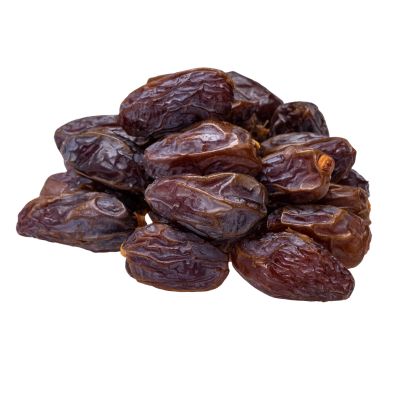

Grapes, little natural jewels, are much more than a symbol of prosperity on New Year's Eve. At Sanus Market in Santa Cruz de Tenerife, we celebrate the richness of local grapes, cultivated with care by farmers committed to sustainability. These sweet and juicy fruits are a perfect reflection of our philosophy: to offer organic, locally sourced, and high-quality food.
Characteristics and varieties of grapes
Grapes (Vitis vinifera) are berries that grow in bunches, and there are many varieties: black, green, red, seedless, or with small, edible seeds. This versatile fruit can be sweet or slightly acidic, depending on the variety. Its thin skin is perfectly edible, while its juicy and refreshing interior is ideal for Tenerife's warm climate.
In other regions they are called "vines" in reference to the plant that produces them, while in agriculture they are referred to according to their purpose, such as table grapes or wine grapes. Originating in the Caucasus and the Mediterranean, they have conquered the world thanks to their unique flavor and properties.
Season and local cultivation in Tenerife
In Tenerife, grapes are at their peak season in summer and early autumn, especially between July and September. This coincides with the best climatic conditions for their cultivation, as the abundant sunshine and moderate temperatures enhance their sweet flavor and aroma.
In the Canary Islands, winemaking traditions are deeply rooted, and the grape varieties cultivated reflect this heritage. The local farmers, with whom we collaborate at Sanus Market, produce grapes organically, without pesticides or chemicals, guaranteeing a fresh and healthy product.









Nutritional properties of grapes
Grapes are an energy-rich and antioxidant-rich food. High in vitamin C, potassium, and flavonoids, they help combat cellular aging and promote cardiovascular health. They also contain resveratrol, a compound found in the skin, known for its anti-aging benefits and its ability to improve circulation.
Thanks to their high water content, grapes are hydrating and cleansing. They are also a source of quick energy due to their natural sugars, making them an ideal snack for children and athletes.
Recipes and interesting facts about grapes
Grapes are a versatile fruit in the kitchen. You can add them fresh to leafy green salads, such as arugula and spinach, along with walnuts and blue cheese, for a sophisticated and nutritious dish. They are also perfect for desserts, like a compote with cinnamon, or even in sauces to accompany meats.
Grapes and the end of the year.
The tradition of eating 12 grapes in Spain has a unique history and is deeply rooted in the country's culture. This custom, known as the "lucky grapes," takes place every New Year's Eve as the clock strikes midnight, marking the end of the year. Each grape represents a month of the coming year, and eating them to the rhythm of the chimes is believed to bring good luck and prosperity.
Origin of the tradition
The origin of this custom dates back to the late 19th or early 20th century. There are two main theories about how it arose:
- A strategy of the winegrowers: It is said that in 1909 there was an exceptionally abundant grape harvest in Alicante. To avoid waste, the winegrowers promoted the idea of eating 12 grapes as a symbol of good luck during the New Year's chimes. This ingenious publicity stunt was so successful that the tradition quickly spread throughout the country.
- Aristocratic influences: Another theory suggests that this custom already existed in certain aristocratic circles in the late 19th century, as a way of imitating French celebrations. Eating grapes and toasting with champagne during festivities was considered a sophisticated gesture, which was later adopted by the general population.
The symbolism of the 12 chimes
Each chime of the clock marks a month of the coming year, and the idea is that eating a grape for each chime brings good fortune in each of those months. Tradition dictates that the grapes must be eaten in exact rhythm with the chimes, a challenge that has become part of the evening's entertainment.
Tradition today
In Spain, the epicenter of this celebration is the Puerta del Sol in Madrid, where thousands of people gather every New Year's Eve to hear the chimes of the central clock. This event, broadcast on television, brings together families and friends across the country, who share the ritual from their homes or at local parties.
Adaptations and curiosities
In some homes, the grapes are peeled and seeded beforehand for easier eating. Many families also make small wishes or resolutions for the new year while eating the grapes, adding a personal touch to the ritual.
Connection with Tenerife
In Tenerife and other regions of Spain, the tradition of the 12 grapes takes on a special character when local grapes are used. This not only celebrates the region's agricultural wealth but also strengthens the link between national traditions and local produce, such as the delicious grapes grown in the Canary Islands.
Ultimately, eating grapes on New Year's Eve is not just a ritual to attract good luck, but a celebration of culture, agriculture, and family unity.
Conclusion: Local grapes, quality and sustainability
At Sanus Market , grapes embody the essence of our commitment: locally sourced, high-quality, and sustainably grown products. We invite you to visit our store in Santa Cruz de Tenerife, where you'll find fresh grapes, perfect for enjoying on any occasion and adding a healthy touch to your diet. Celebrate the richness of local produce with us!

