


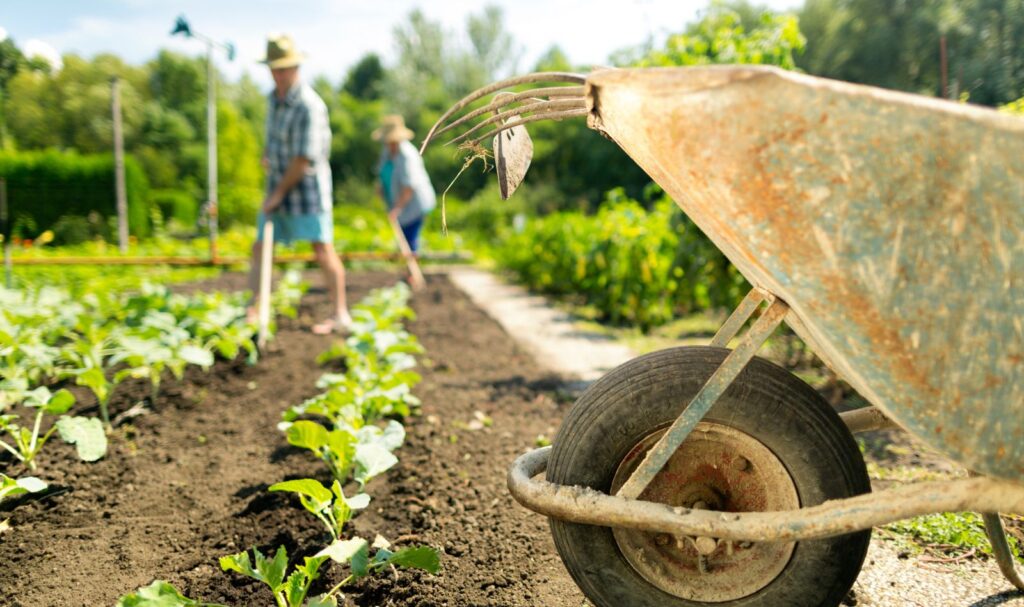
July is a crucial month for agriculture in the Canary Islands, and particularly in Tenerife, where the weather plays a fundamental role in the development and quality of the crops. The island enjoys a subtropical climate, characterized by warm and stable temperatures ranging between 25 and 30 degrees Celsius during the day, with slightly cooler nights. This combination of heat and intense sunlight is ideal for growing a wide variety of vegetables.
The lack of significant rain in July means farmers rely heavily on efficient irrigation systems. In Tenerife, drip irrigation techniques are widely used to conserve water and ensure that plants receive the right amount of moisture without wasting resources. These techniques are essential to maintain the health of crops in such a dry month.
Additionally, the sea breeze that regularly blows over the island helps moderate temperatures and provides a humid atmosphere that benefits plants, reducing water stress and promoting robust growth. However, the main challenge is water management and protection from the intense sun, which can damage crops if not managed properly.
Cultivation Zones and Adaptation to the Climate of Tenerife in July.
Tenerife has various growing areas that take advantage of the microclimatic variations of the island. Coastal and midland areas (the regions between the coast and the mountains) are particularly important for vegetable farming. In coastal areas, temperatures are more stable and warm, which allows the cultivation of varieties that are more sensitive to cold. The medians, for their part, offer a balance between day and night temperatures, favoring the growth of a wide range of vegetables.
In the mid-range areas, where agricultural towns such as La Orotava and Tacoronte are located, the nutrient-rich volcanic soils combined with the temperate climate create ideal conditions for growing vegetables. These soils have excellent water and nutrient retention capacity, reducing the need for additional fertilizers and improving the quality of the final product.









Tenerife farmers have developed specific agricultural practices to adapt to the July weather. This includes the use of greenhouses and shade cloth to protect crops from the scorching sun and maintain a controlled microclimate. These structures allow the cultivation of more delicate vegetables and extend the growing season, ensuring a constant supply of fresh produce.
In summary, the July weather in Tenerife, with its moderate heat and sunny days, together with advanced agricultural techniques and unique soil characteristics, make this month a fruitful period for vegetable farming. Local farmers work hard to adapt their methods to maximize the yield of their crops, ensuring fresh, organic vegetables reach everyone's tables. Enjoy the agricultural wealth of Tenerife this summer!
Some of the most popular organic vegetables grown in Tenerife are:
What vegetables are in season in July originating in the rest of Spain?
In July, gardens throughout Spain offer a wide variety of fresh and flavorful vegetables. Below is a list of some of the most popular vegetables that are in season this month, along with a brief explanation of each:
- Tomatoes: Tomatoes reach their peak in July, offering a sweet, juicy flavor. They are ideal for salads, sauces and stews, and are an excellent source of vitamin C and antioxidants.
- Peppers: Both red and green peppers are in full season. Their sweet flavor and crunchy texture make them perfect for roasting, stuffing, or adding to salads and stir-fries.
- Zucchini: In July, zucchini are at their best. They are versatile and can be used in a variety of dishes, from stir-fries and stews to stuffing and baking. They are low in calories and rich in vitamins A and C.
- Eggplants: July eggplants are fresh and tasty, perfect for dishes such as moussaka, vegetable lasagna or simply roasted with a little olive oil. They are a good source of fiber and antioxidants.
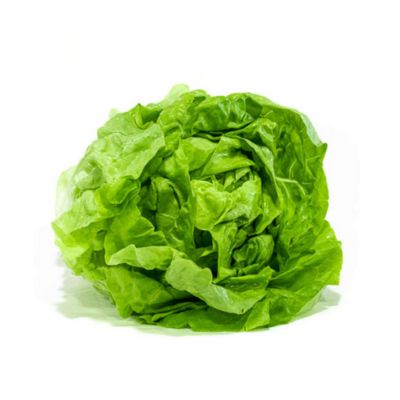
- Lettuce: Different varieties of lettuce, such as romaine and iceberg, are fresh and crisp in July. They are ideal for refreshing salads, providing a light and nutritious base for summer meals.
- Spinach: Summer spinach is tender and nutritious, perfect for salads, smoothies or cooked in a variety of dishes. They are rich in iron, calcium and vitamins A and C.
- Chard: Chard is in full season in July, offering crisp green leaves and stems that are ideal for stir-fries, stews, and soups. They are an excellent source of Vitamins K, A and C.
- Carrots: Sweet and crunchy, July carrots are perfect eaten raw, grated in salads, or cooked in stews and soups. They are rich in beta-carotene, which is beneficial for vision and skin.
- Cucumbers: Fresh and crunchy, cucumbers are ideal for salads and gazpachos, helping to maintain hydration on hot days. They are low in calories and a good source of vitamin K.
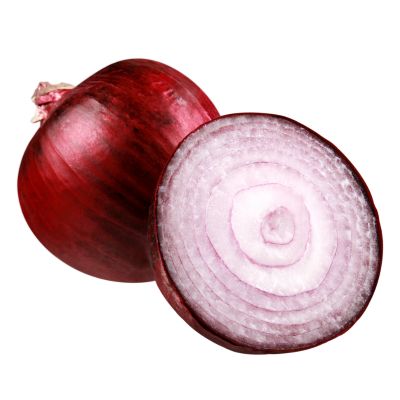
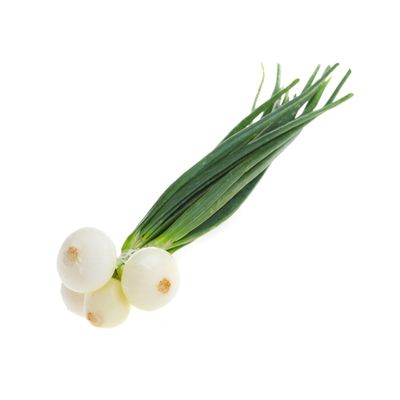
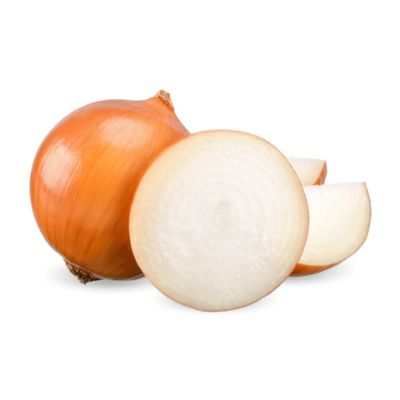
- Onions: Fresh July onions are essential in the kitchen, adding flavor to a wide variety of dishes. They are rich in antioxidants and have anti-inflammatory properties.
These vegetables not only add freshness and flavor to your meals, but are also essential for a balanced and healthy diet. Take advantage of the July season to enjoy these quality products, carefully grown in the various regions of Spain. Enjoy!

