

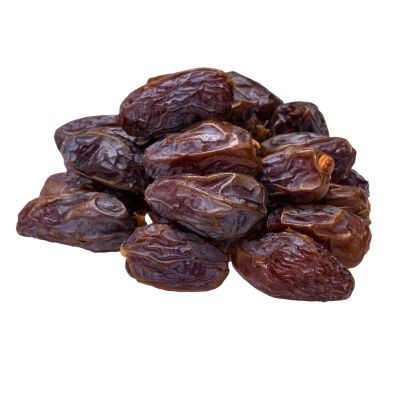
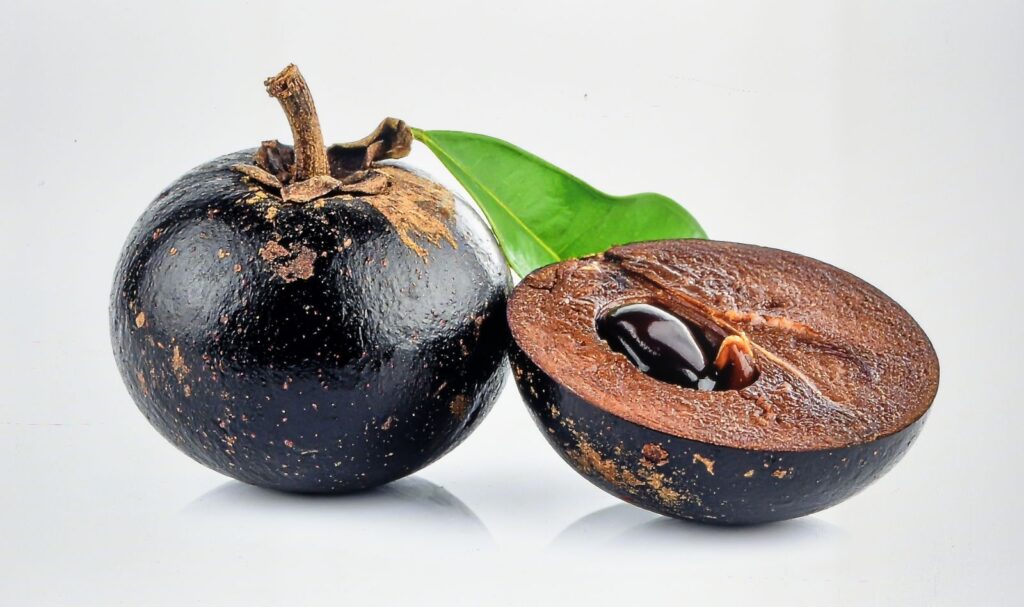
If you've ever tasted a fruit that reminded you of natural chocolate mousse, it was probably a black sapote. If it was sweet like honey and brown sugar, it was a sapodilla. This fruit is not only a culinary delight but also a cornerstone of the biodiversity we promote at Sanus Market .
A Little History and Origin of the Sapote
The sapote is native to the tropical regions of Mesoamerica (especially Mexico and Central America). Its name comes from the Nahuatl word "tzapotl," a term used by ancient peoples to refer to round, sweet fruits. Over the centuries, it has become a mystical and prized ingredient in traditional cuisine.









Varieties that will delight your palate
In the kitchens of our community, three main varieties stand out, each offering a completely different experience:
- Black Sapote : It's famous because its ripe pulp resembles a chocolate dessert. It's ideal for those seeking a natural alternative to processed sweets.
- Chico-zapote : It stands out for its intensely sweet flavor, almost as if it had notes of caramel or pear.
- Black sapote : Very similar to the black sapote, it is excellent for preparing sophisticated sauces to accompany main dishes.
Healthy Recipes to Try at Home
Thanks to the versatility shown by home cooks in the sources, the sapote can be used in both sweet and savory dishes:
- Energy Smoothie : Mix sapodilla with plantain and a little cold milk for a breakfast full of vitality.
- Black Sapote Mousse : Simply blend ripe pulp with orange juice and brown sugar for a quick and nutritious dessert.
- Gourmet Sauces : For an exotic touch to your dinners, you can prepare a black sapote sauce with a touch of tequila and aromatic spices, ideal to accompany proteins.
- Eco Baking : Black sapote is an amazing substitute in cakes or puddings, providing a moist and delicious texture.
Nutritional Advantages and Preservation of the Sapote
Sapote is an excellent source of Vitamins A and C , and it also contains a high amount of fiber, which aids digestive health. Its antioxidant properties make it an ally in protecting your cells.
Storage tip : As it's a climacteric fruit, if you buy it green, leave it at room temperature until the skin feels soft to the touch. Once ripe, you can store the pulp in the refrigerator or even freeze it to use in ice cream or smoothies throughout the week.
At Sanus Market , we believe that every fruit tells a story of respect for nature and responsible consumption. Choosing exotic and organic fruits is a way to diversify your diet and support agriculture that cares for the planet.

